Why We Built a Web Planner Before the App
If you've been following Neverempty, you know the plan has always been an app: something that talks to your motor in real time, follows the terrain, adjusts the assist, and tells you exactly how much battery you'll have left when you roll back home. That's still the plan. But before the app exists, we've put out a web-based route planner — no install, no account, just a browser and a GPX file — and I want to explain why.
The honest reason
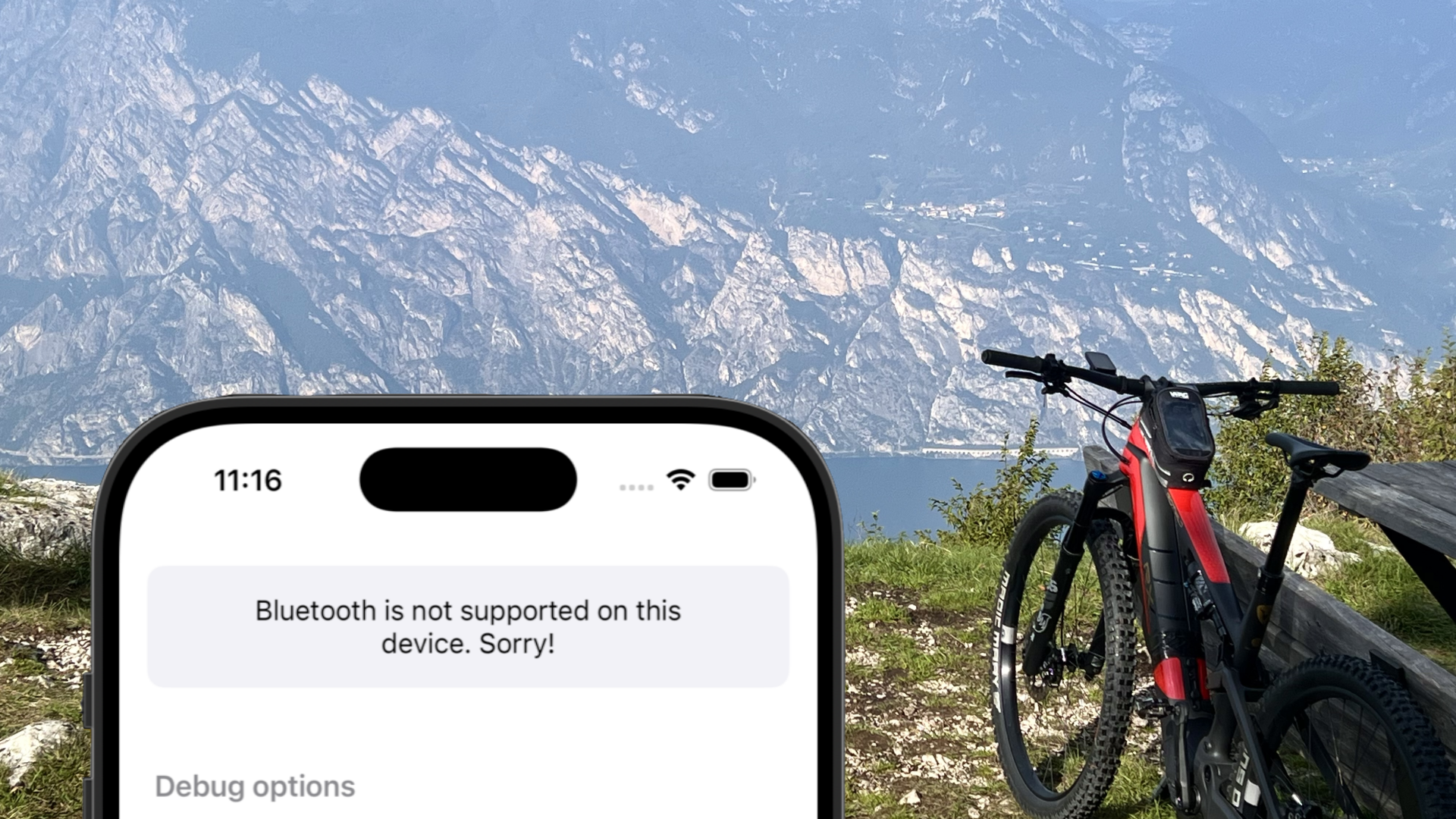
The app depends on something I don't fully control: Bluetooth access to motor systems that manufacturers currently keep locked down. I've had conversations with a few of them. They've been polite, interested, and non-committal — which, if you've dealt with hardware OEMs before, you'll recognize as a very normal, very slow kind of "maybe." So I decided not to sit around waiting for a yes before doing anything useful.
So instead of waiting on manufacturer permission, I built the one part of Neverempty that doesn't need it: the calculation engine. If I can predict your energy consumption and remaining range from a route file and a battery capacity, none of that requires talking to your bike at all. It just needs the numbers, in advance.
That's the web planner. And putting it out now, ahead of the app, does two things I actually need:
It gets the model in front of real riders on real routes, which is the only way to find out where it's wrong. I'd rather find the model's blind spots now, from feedback, than after the app ships.
It builds a small group of people who already trust the tool, so when the app does arrive, it's not a cold launch — it's "the thing that already helped you plan that ride, now living on your bike computer."
So what it actually does
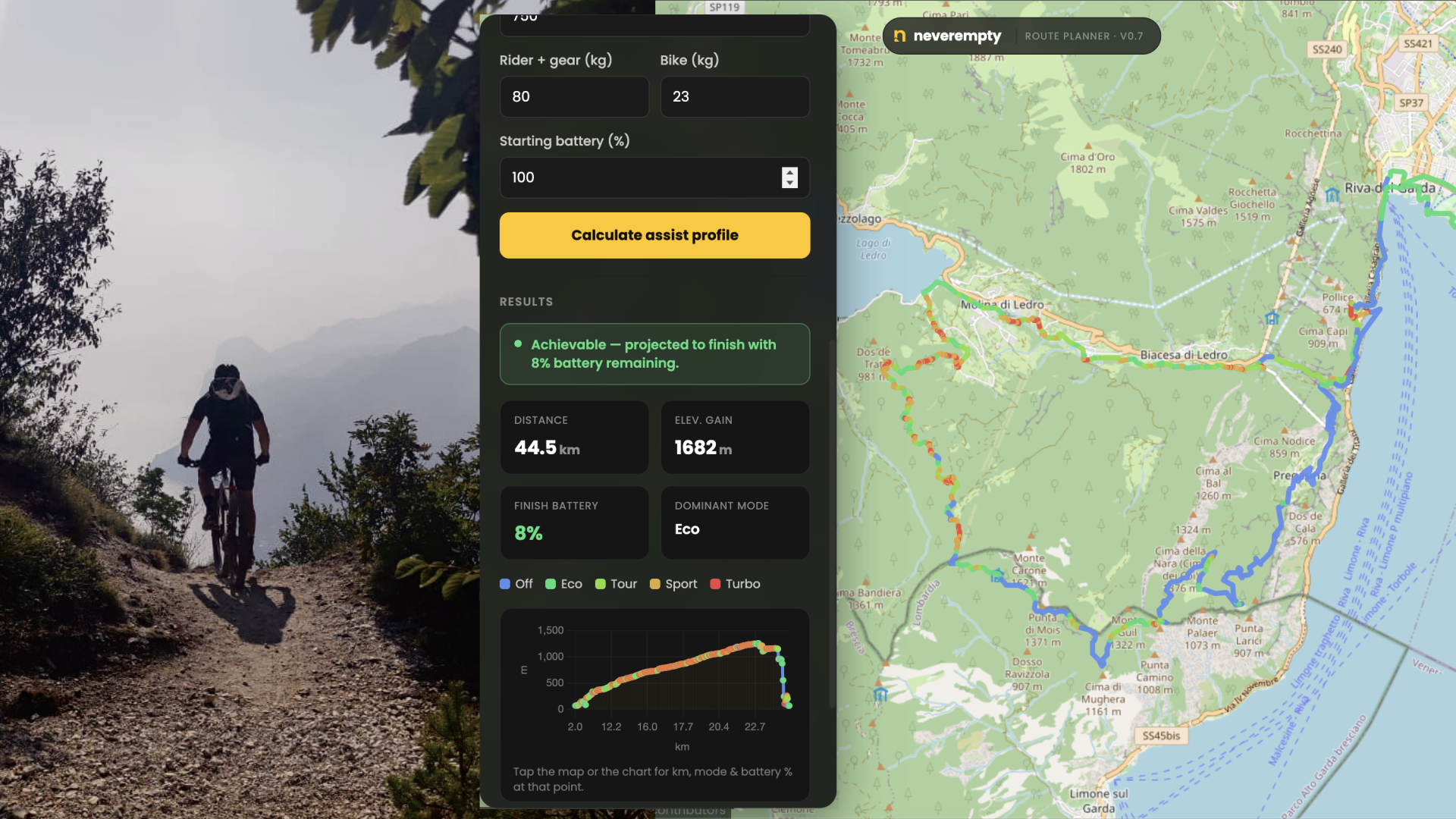
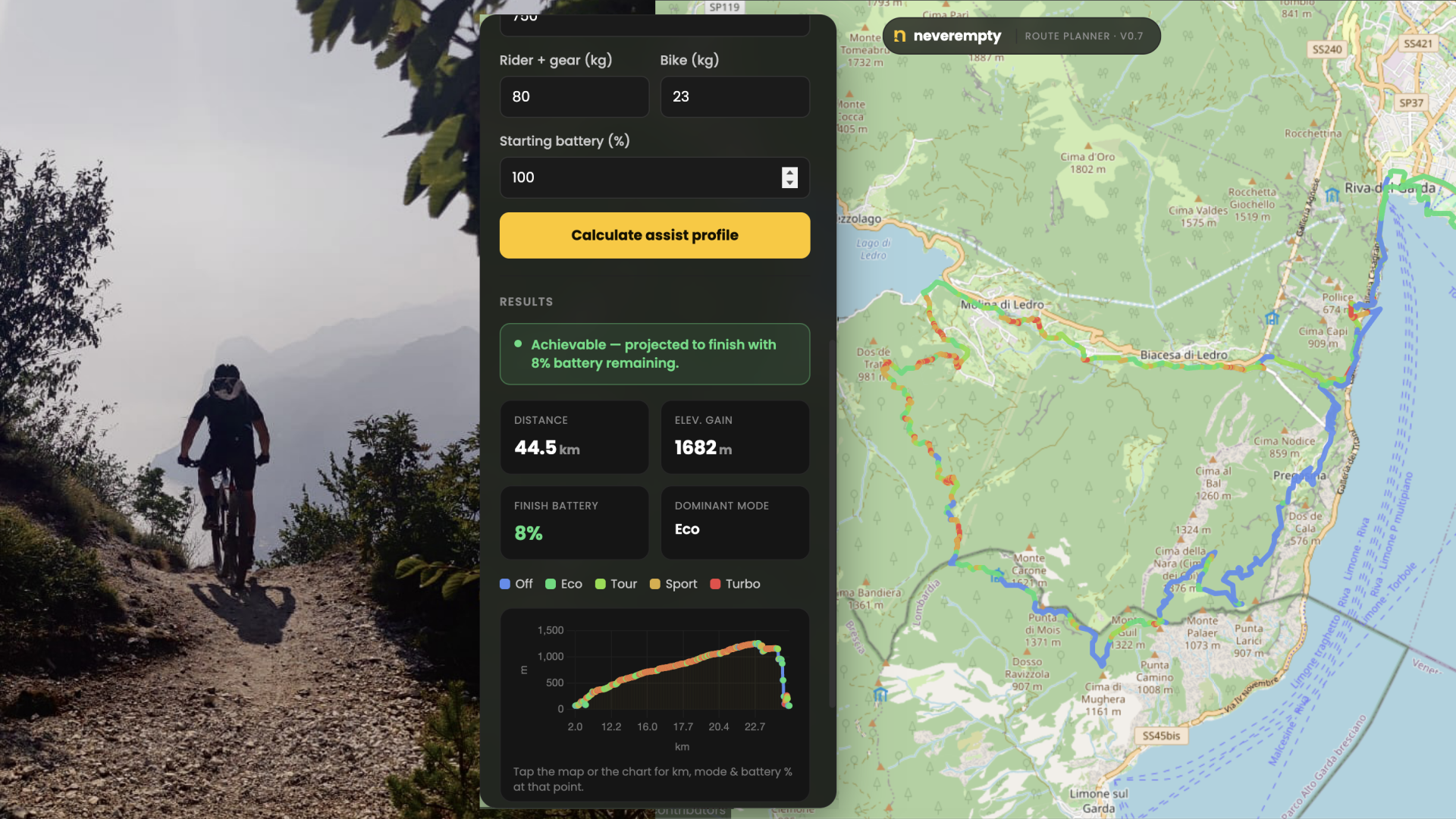
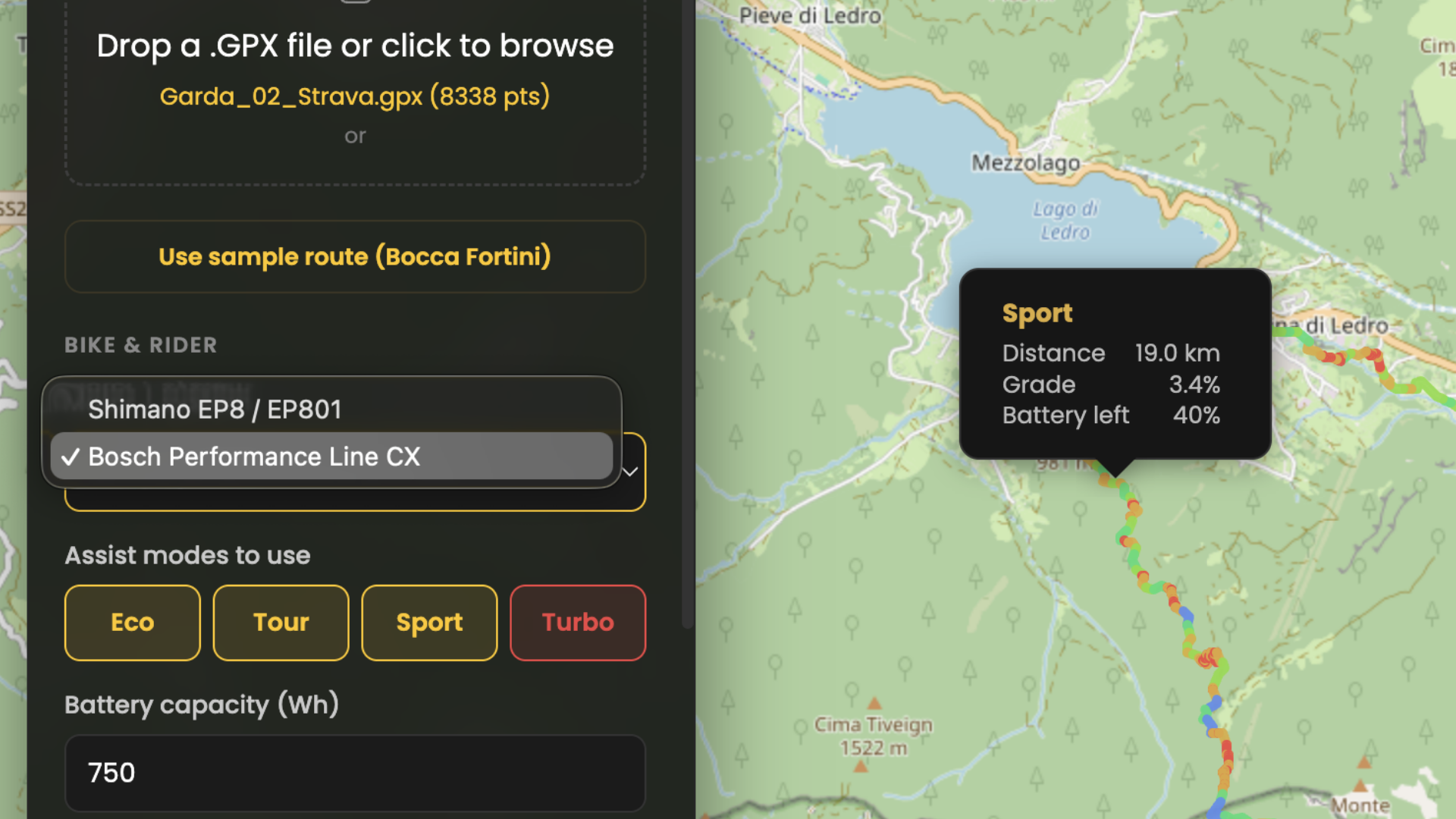
Upload (or paste a link to) your GPX route, tell it your battery capacity and which motor you're riding, and it gives you a Wh consumption estimate and predicted remaining range — broken down by how much of the ride you'd realistically spend in Eco, Trail, or Boost.
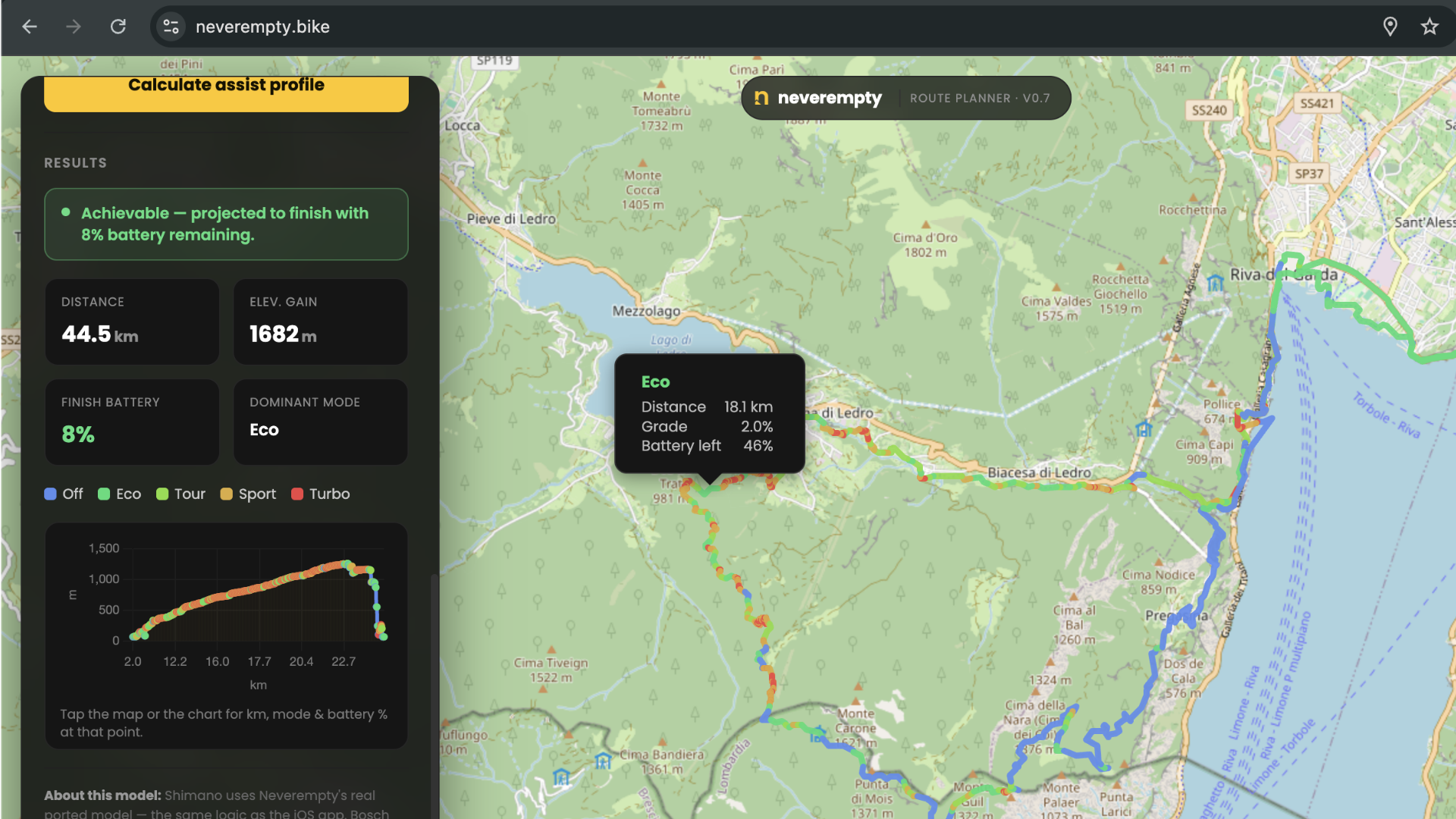
It's built for the actual decision most e-MTB riders are trying to make before a long day out: can I do this loop on one charge, or do I need to baby the battery on the way up to have enough for the way down?
How it works — and why it's not just a guess
This is the part I want to be direct about, because "AI route estimator" tools are everywhere right now, and most of them are exactly that — a language model pattern-matching against vague inputs and outputting a confident-sounding number. That's not what this is.
The planner runs a physics-based consumption model: elevation-smoothed gradient analysis, motor-specific power curves, and assist-level switching logic that mirrors how these systems actually behave on the trail (auto-switching between Eco and Trail based on gradient, Boost left as a manual override — because that's a discipline choice, not something you want an algorithm making for you).
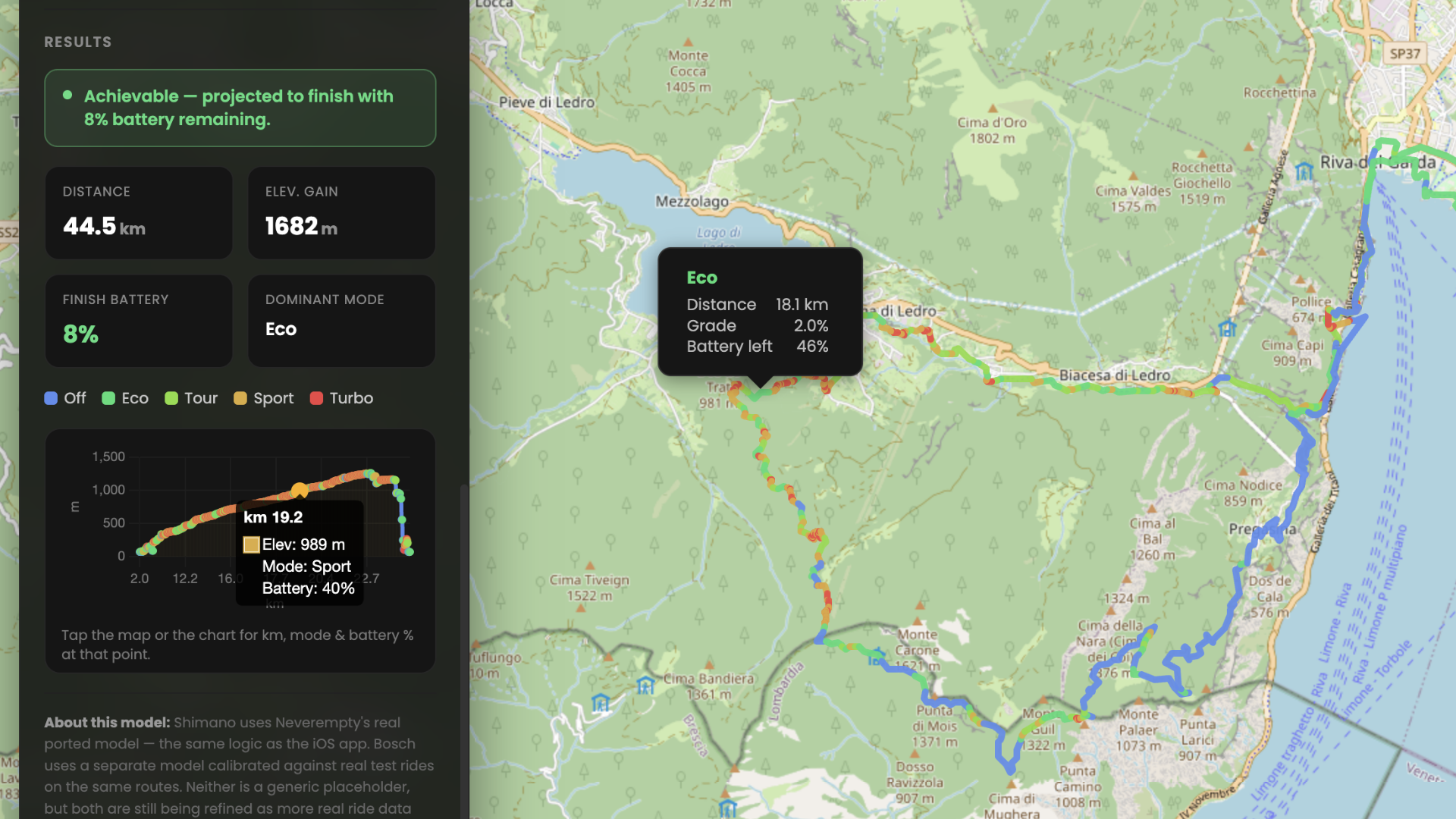
More importantly, it's calibrated against real ride data, not just theory. I've taken this model out on actual e-MTB trips — comparing predicted consumption against what the bike actually used, on real climbs, in real conditions — and adjusted it where the physics and the real world disagreed. It has a documented calibration factor built in for exactly that reason. If a prediction is wrong, it's wrong in a way I can trace and fix, not a black box shrugging its shoulders.
Same engine as the app
This isn't a simplified demo version of some future "real" model. The web planner runs the same calculation engine that will sit inside the app. When the app launches, you won't be getting a new prediction system — you'll be getting the same one you can already use today, now fed by live motor data instead of a route file you uploaded in advance.
Where it's not finished yet
I'd rather tell you this straight than have you find out the hard way: right now the model is properly validated for two motor systems. I know there are other big players out there — Bosch's newer platforms, DJI's Avinox, and others — and I have placeholder support for a few of them already. But I'm not going to claim a prediction is reliable for a motor I haven't actually tested it against. It'll get there, motor by motor, as I get real ride data to calibrate on. I'd rather ship something narrower and honest than something broad and wrong.
Try it
The planner is live now — no waiting for the app, no account needed. Upload a route, see what it predicts, and if the number looks off from what you actually experience, that feedback is exactly what makes the model better for the next rider.
Back to Trento: Neverempty meets Bosch CX
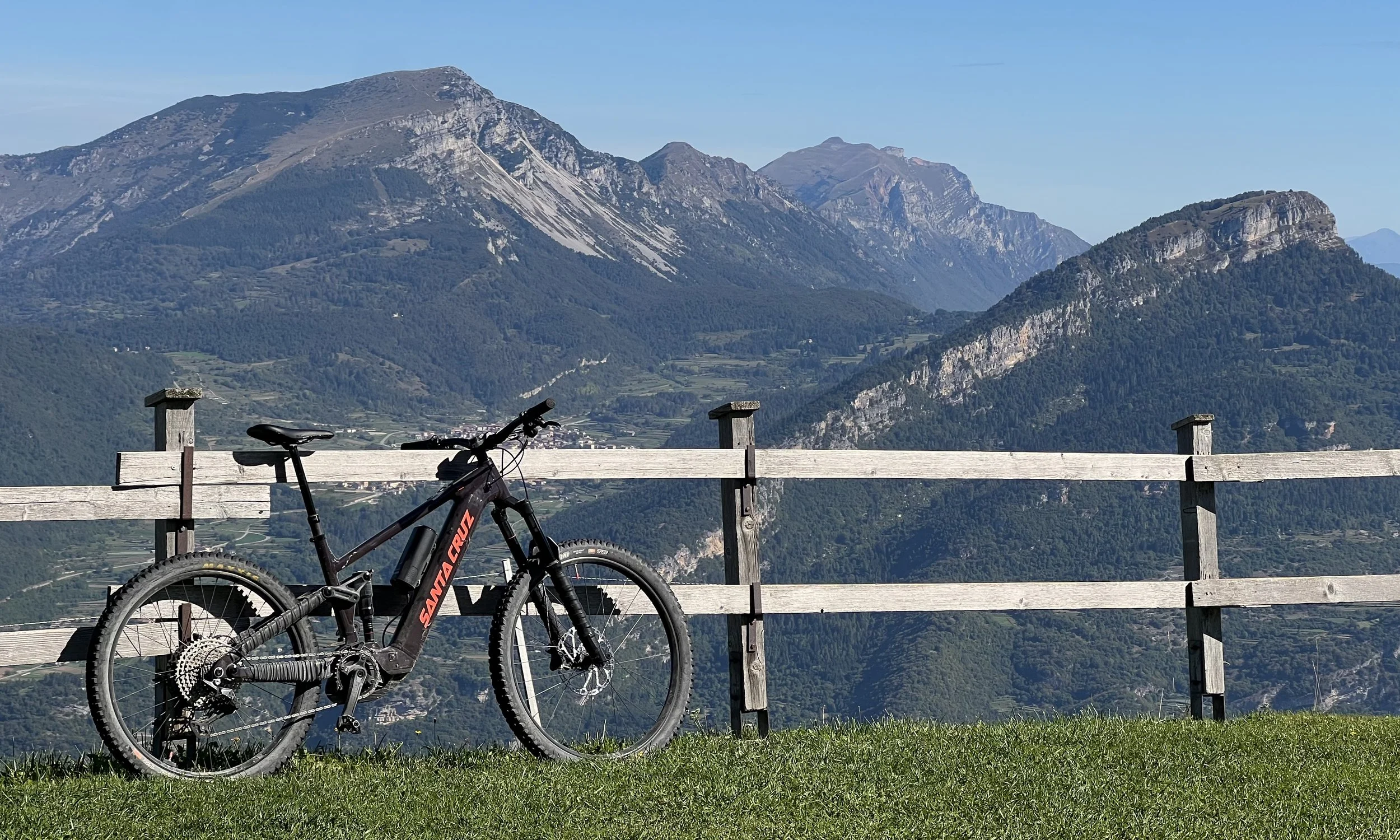
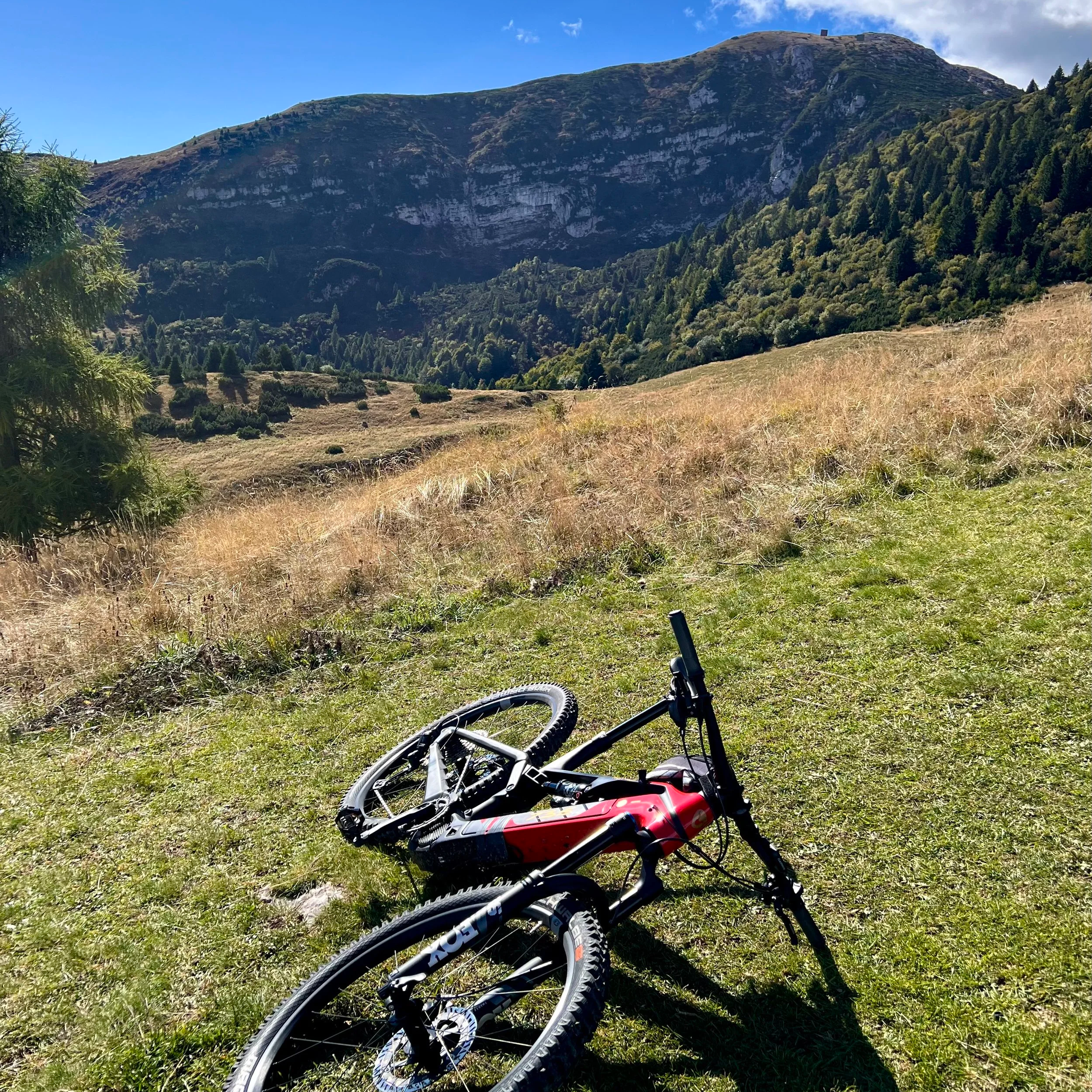
Two weeks ago I was back where it all started: Torbole, Lake Garda. Same mountains, same trails, same reason for going — but this time a different bike and a different motor.
The Trento trip back in the autumn ‘25 proved the core idea of Neverempty on Shimano. But Shimano is only one player in a market where Bosch arguably has the bigger share, especially on higher-end e-MTBs. So the question going into this trip was simple: does the prediction model work on Bosch, and how much does it differ from Shimano?
Same Trails, New Bike
I went back to exactly the same three rides as last time, on purpose — I wanted a like-for-like comparison, not a new variable on top of a new variable:
The Monte Velo Trail — 47.6km, 1390m of climbing, just under 4 hours
The Bocca Fortini Tour — 44.1km, 1360m of climbing, 3h33m
The Challenging Monte Baldo Tour — 47.1km, a much bigger 1780m of climbing, 4h29m
Three rides, roughly 139km and 4,500m of combined elevation gain — enough to properly stress-test a huge 850Wh power pack.
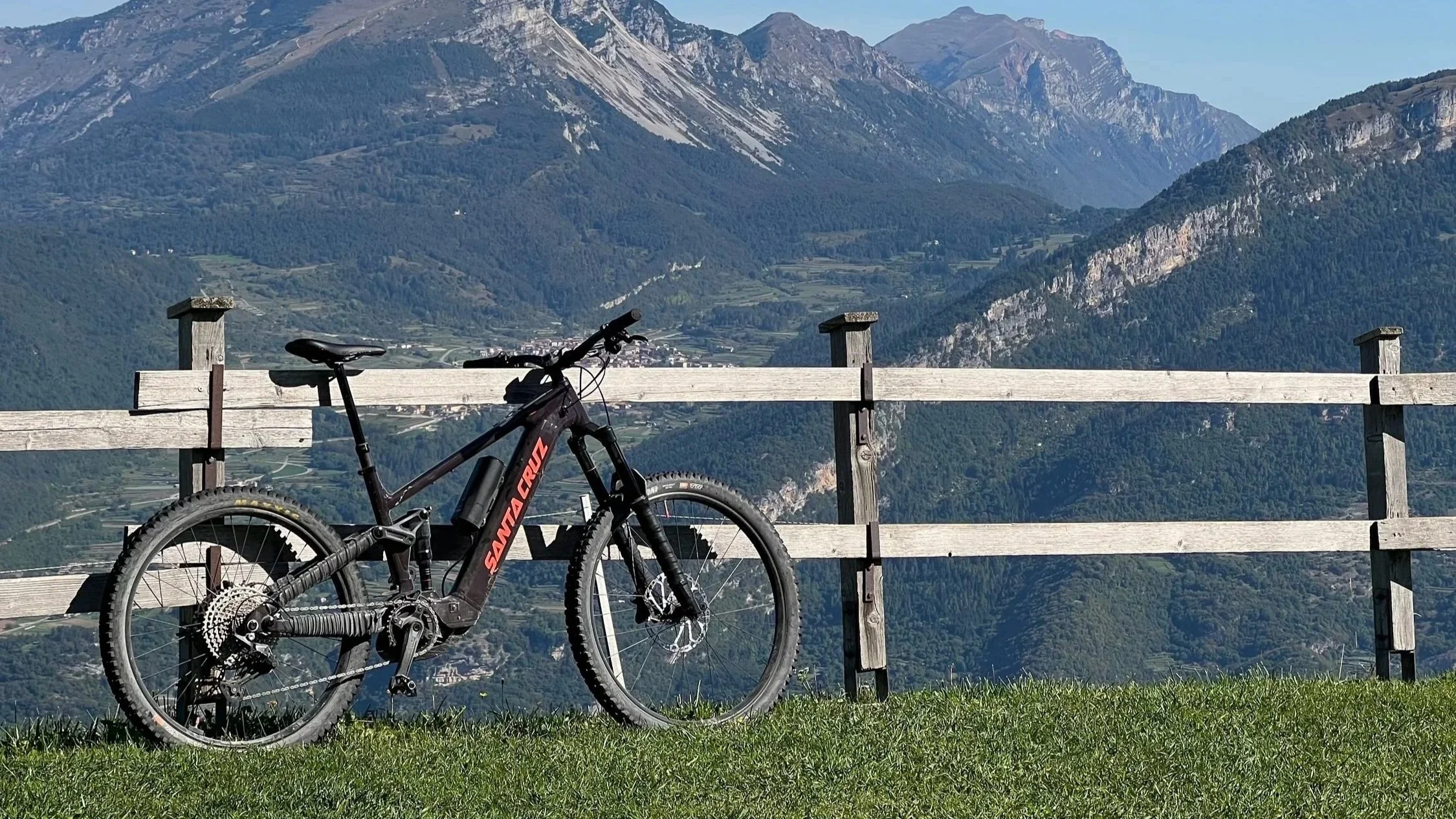
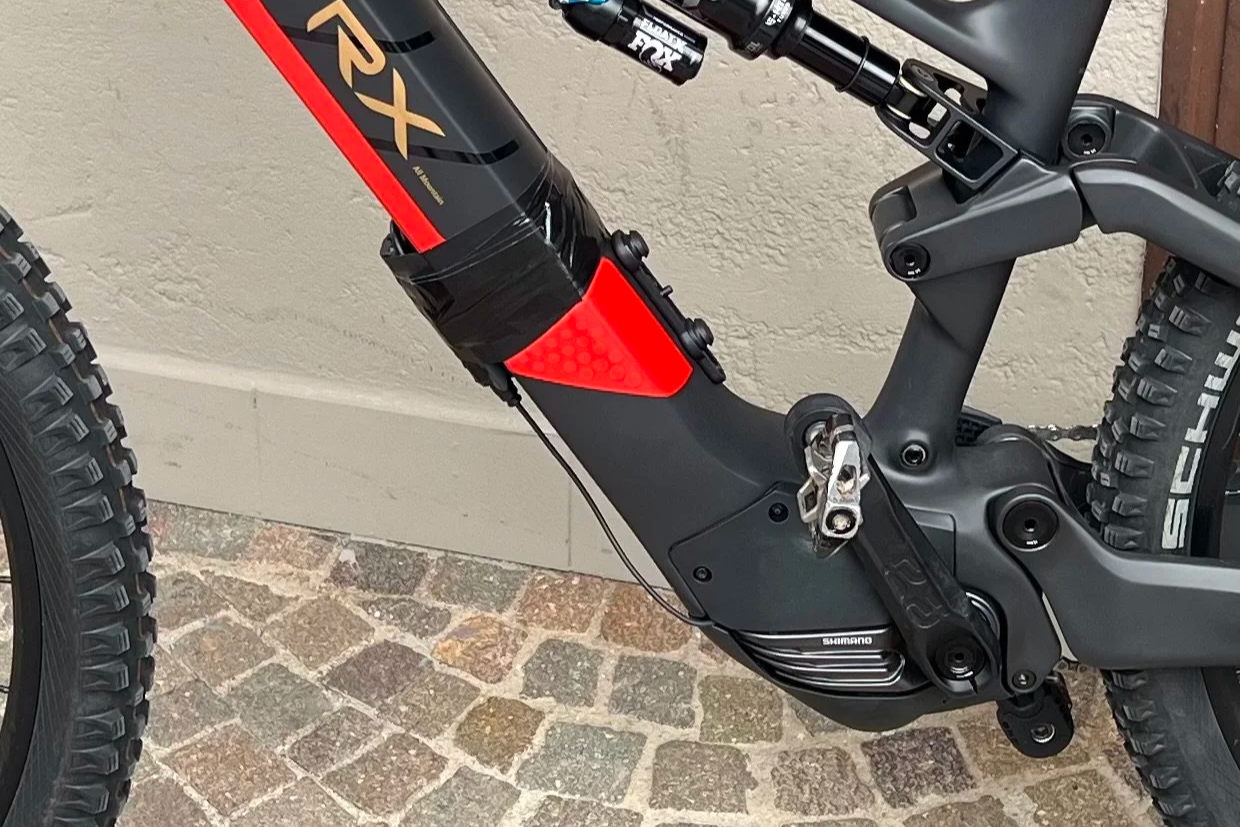
This time I was on a Santa Cruz Vala AL (Thanks Torbole Cycling), running a Bosch CX motor with a 600Wh internal battery plus a 250Wh Bosch range extender — 850Wh all in. For context, that's noticeably more capacity than the 720Wh Shimano setup from the last Trento trip. Also a mullet setup was a first for me:)
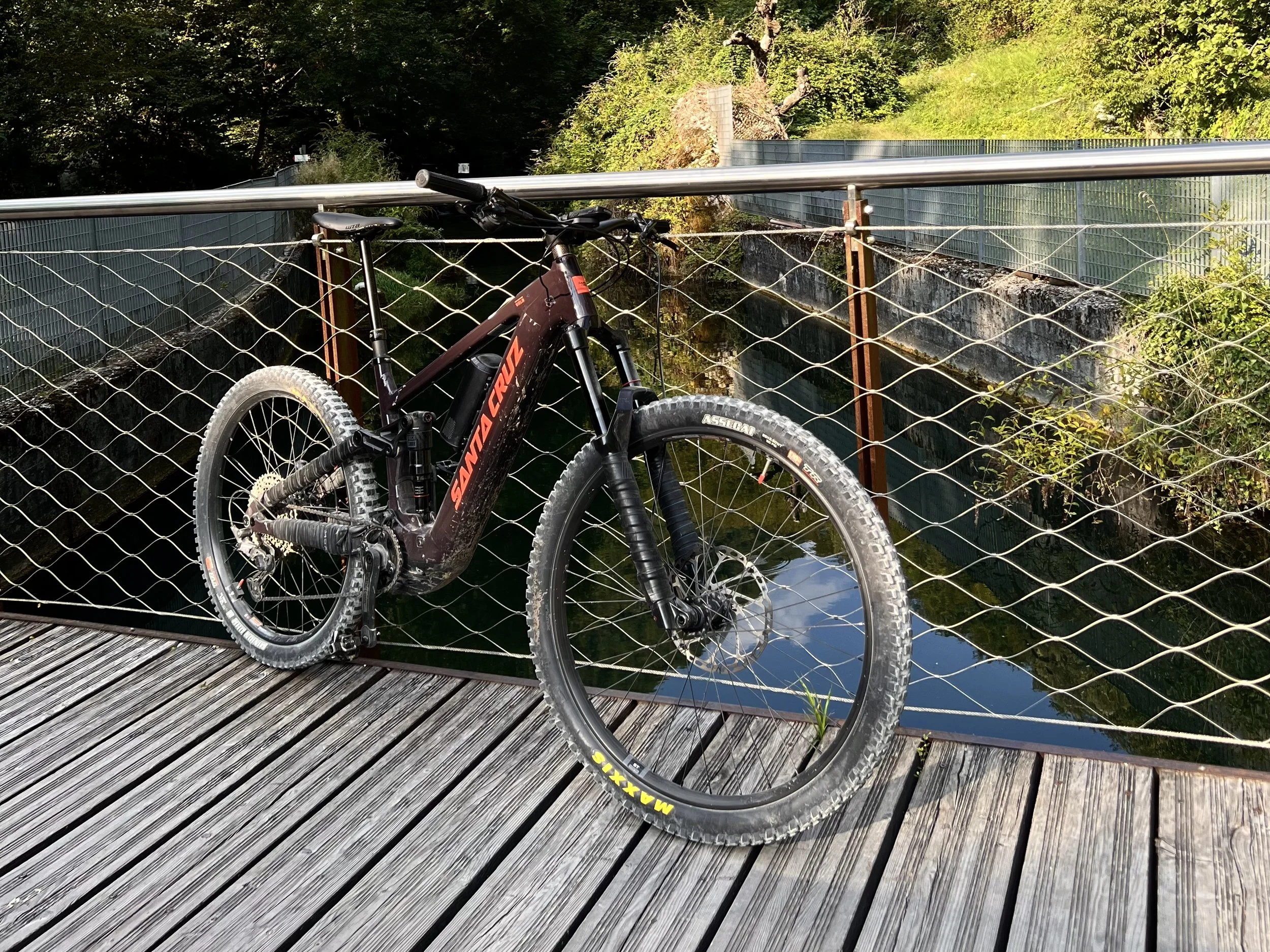
This wasn't a test of the automatic assist control — as Bosch doesn't give third parties write access to the system, there's no equivalent to the Shimano MVP dialling in the assist level for you. Instead, this trip was about two things: validating how accurate the model's predictions were on a Bosch system, and field-testing the web route planner, which is actually live now: https://neverempty.bike/.
What I Found
850Wh is a massive battery. That's the first, most obvious thing — even on the same climbs that emptied a 720Wh Shimano pack, this bike had plenty left in reserve.
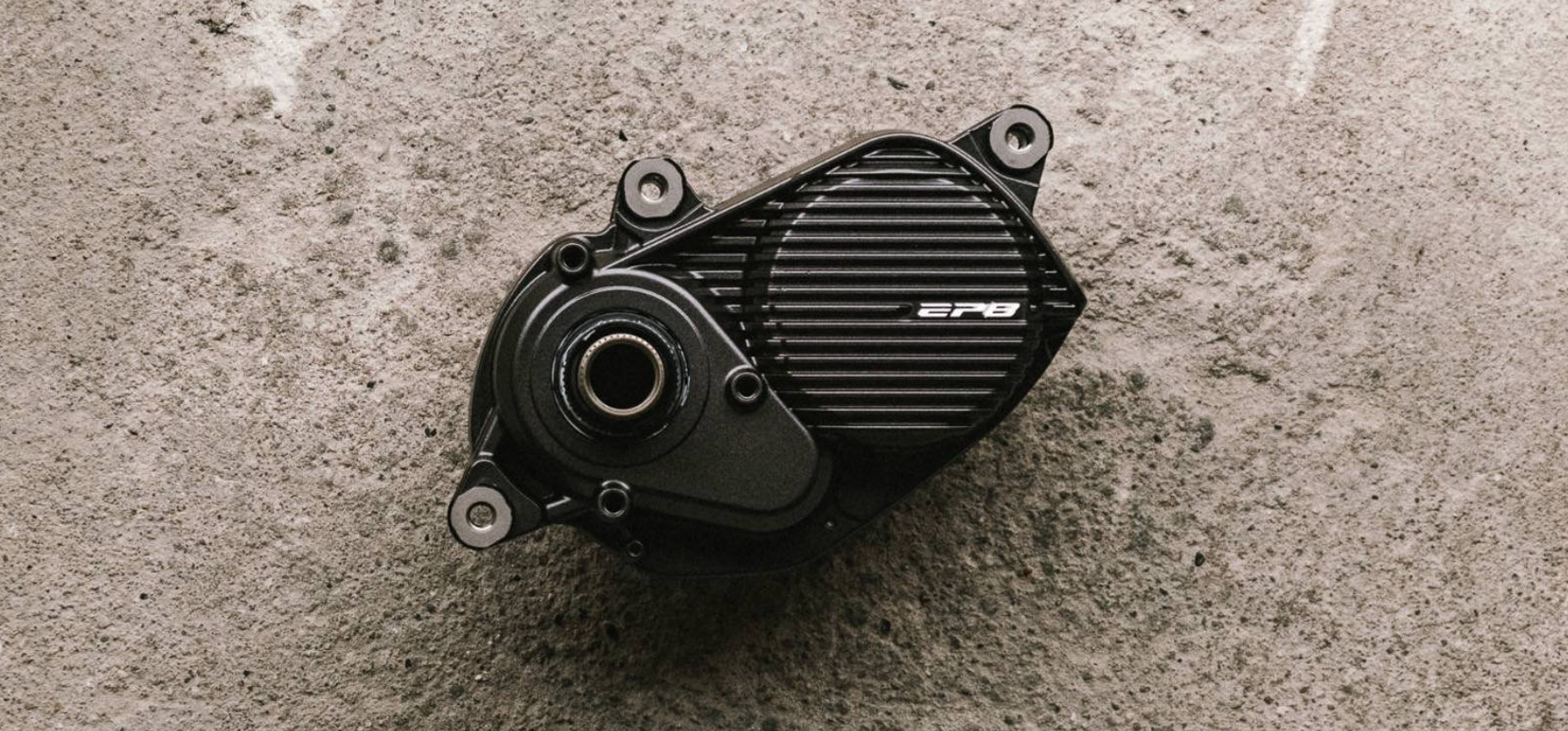
The more interesting finding: the Bosch CX system didn't feel hugely different from Shimano out on the trail. I went in expecting more of a contrast in how the power delivery felt, and honestly, the two systems are closer than I assumed. Lots of people would probably argue on that, but for a weekend warrior not riding anything extreme the CX felt quite similar to the EP8.
On the model side, I found the predictions were running a bit too conservative — the app was more cautious than it needed to be, especially once I factored in how I actually ride. Which led to the real insight of the trip: I like to use more assistance than I predict I'll want. When I know I've got battery to spare, I want to "spend" it — dial up the assist, enjoy the climb, not ration for the sake of rationing. That's a rider-behavior input the model didn't fully account for.
That also confirmed something I'd already suspected: the more assist levels you have, the more you end up fiddling with them — and the further you drift from the actually-optimal assist for the terrain in front of you. A rider chasing "which of 7 levels is right for this gradient" is doing exactly the kind of manual, distracting calculation Neverempty is supposed to remove. This confirmed the instinct I already had, that a linear assist system — smooth and continuous rather than stepped — would be the better target to design around, not a finer-grained version of the stepped model.
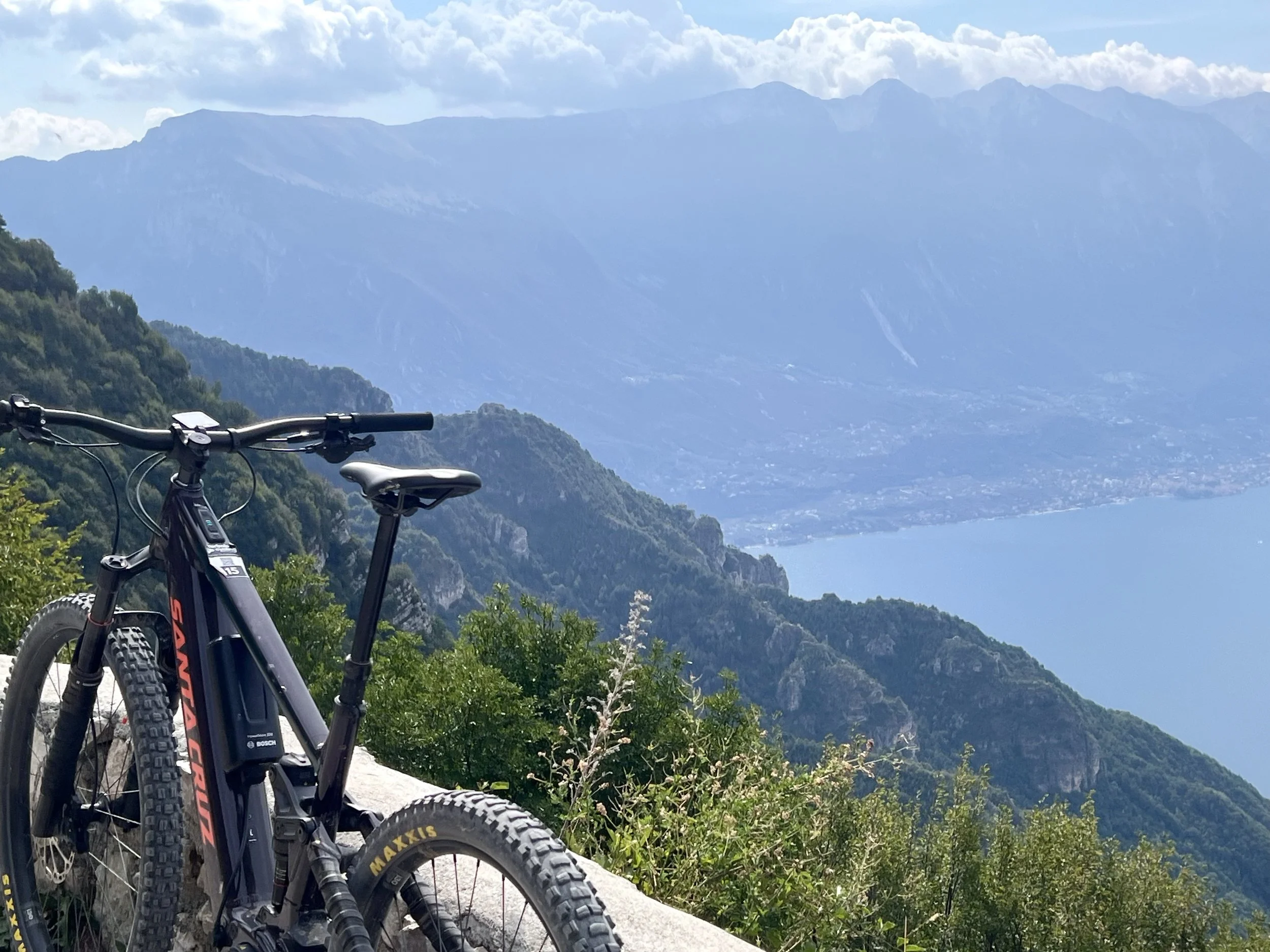
Two Things I Didn't Expect to Care About
A couple of small things bugged me enough to write down:
Bosch's own Flow app doesn't let you see what assist level you were using, when, or where. For a system that's supposedly advanced, that's a surprisingly basic gap — and it's exactly the kind of data Neverempty wants to surface.
My iPhone's location awareness occasionally beat my Garmin Edge. Not something I expected to notice, but it came up more than once on technical, switchback-heavy sections.
Where This Leaves Us
I got everything I came for out of this trip. There's still a long way to go before there's an app that actually controls assist on Bosch the way the MVP did on Shimano — that access just isn't there yet on their side. But a simpler, read-only app is coming, and the web route planner is already live and validated against real Bosch (and Shimano) riding.
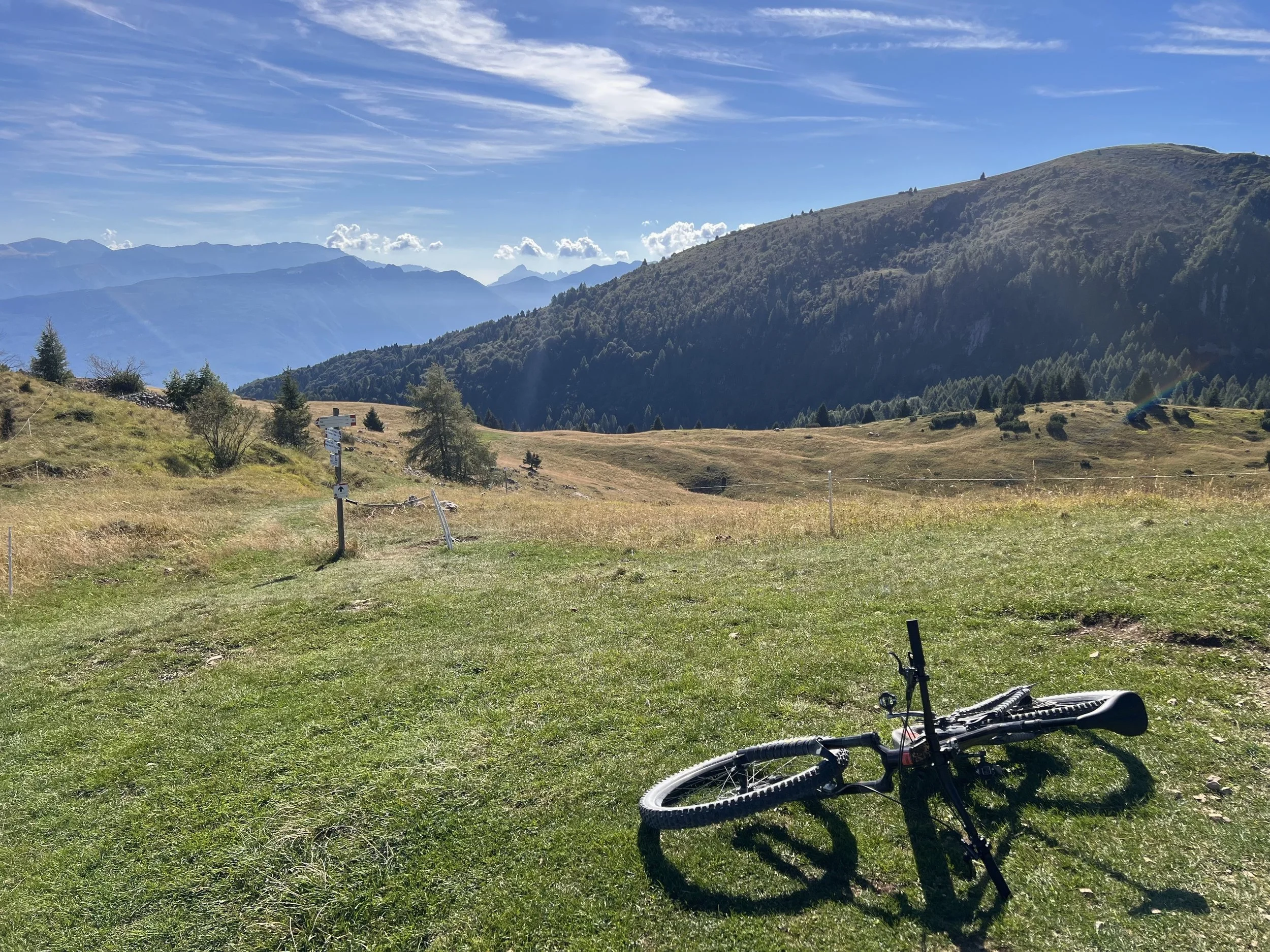
Two trips to Torbole, two different motor systems, feels like getting closer of what Neverempty needs to be. Onward to beta.
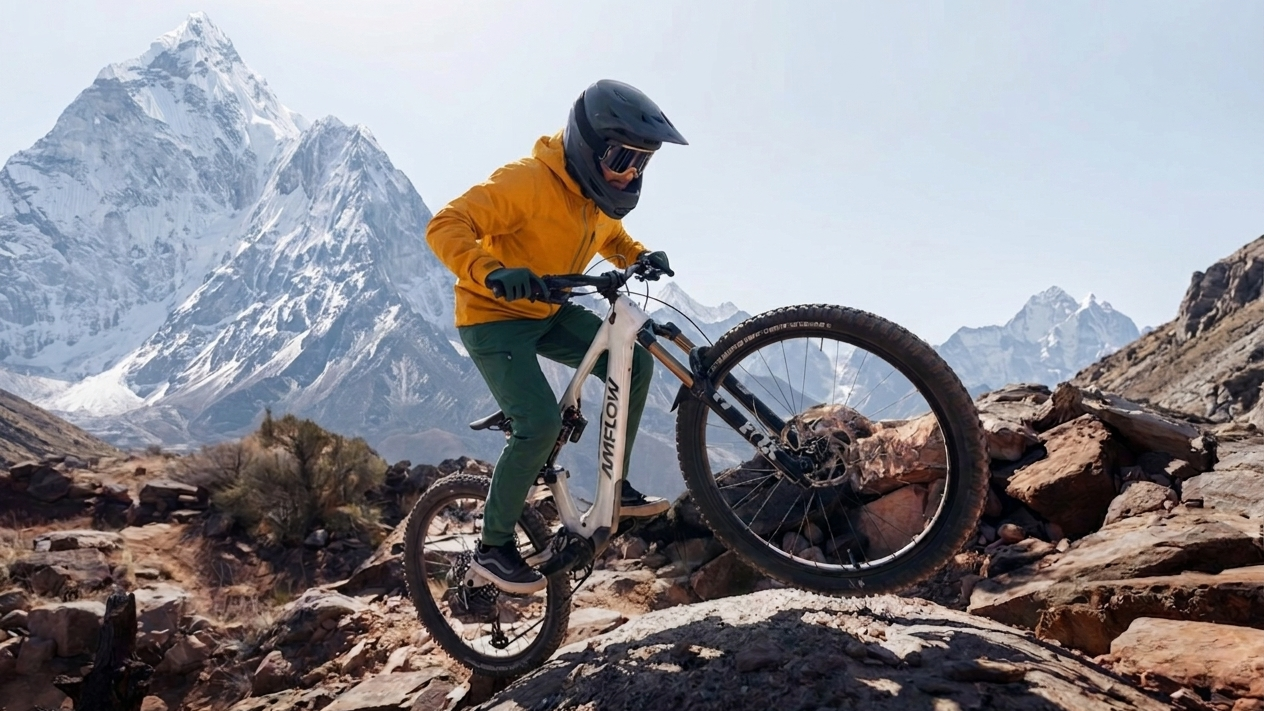
Wattage Wars
The e-bike world is buzzing again. DJI's Avinox has just dropped the M2S motor, and the headline number is hard to ignore: 1,500 watts. Half the community is losing their minds with excitement, and honestly — fair enough. The other half is raising an eyebrow and asking the obvious question: do we actually need this?
I've been riding e-MTBs long enough to remember when 250W felt revolutionary. Now we're casually talking about motors that punch out six times that figure. So let's have an honest conversation about where the industry is headed, and what it means for those of us who just want to go ride our bikes.
What the Avinox M2S Actually Is
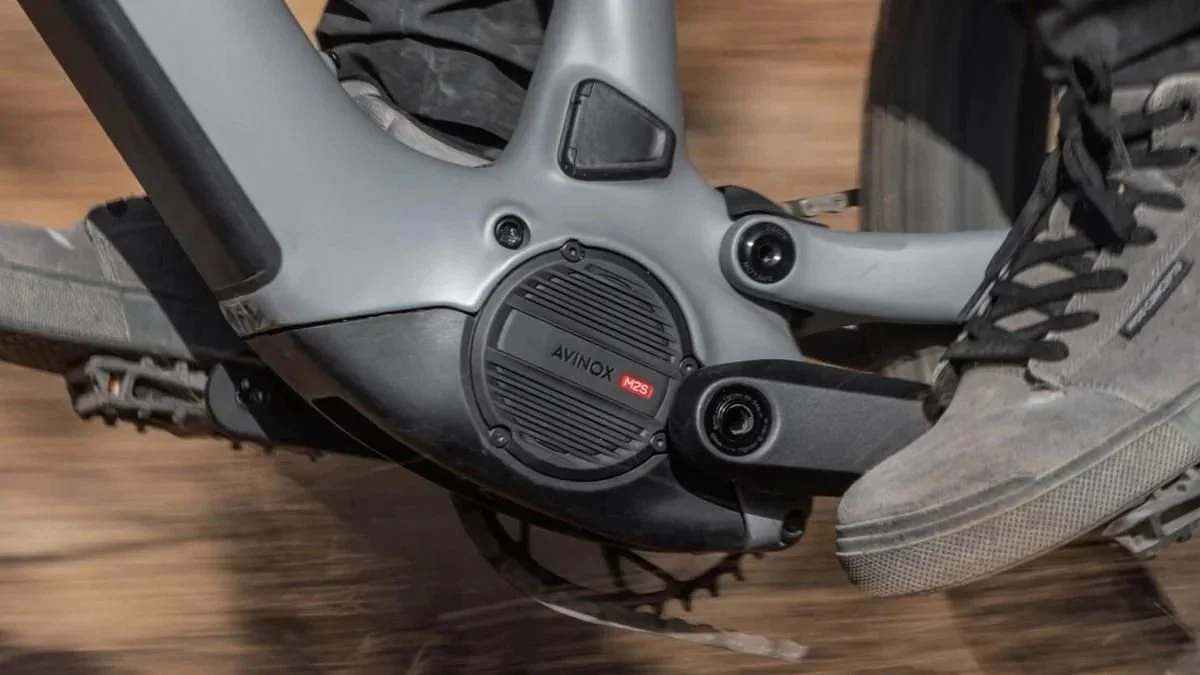
To be clear — this isn't vaporware. The new Avinox M2S is a genuinely impressive piece of engineering. It delivers up to 1,500W of peak power and 150Nm of torque, all while barely changing in size or weight compared to its predecessor. DJI's engineers have used flat copper wire winding, helical gears with dual-engagement design, and a brand new 4680 battery cell format borrowed straight from the automotive world. The result is a motor that is measurably more efficient, quieter, and more refined than what came before.
Riders who've spent time on it describe a completely transformed climbing experience — technical rock slabs, steep root sections, tight switchbacks — all tackled at speeds that would have been impossible before. That's genuinely exciting, and I'm not going to pretend it isn't.
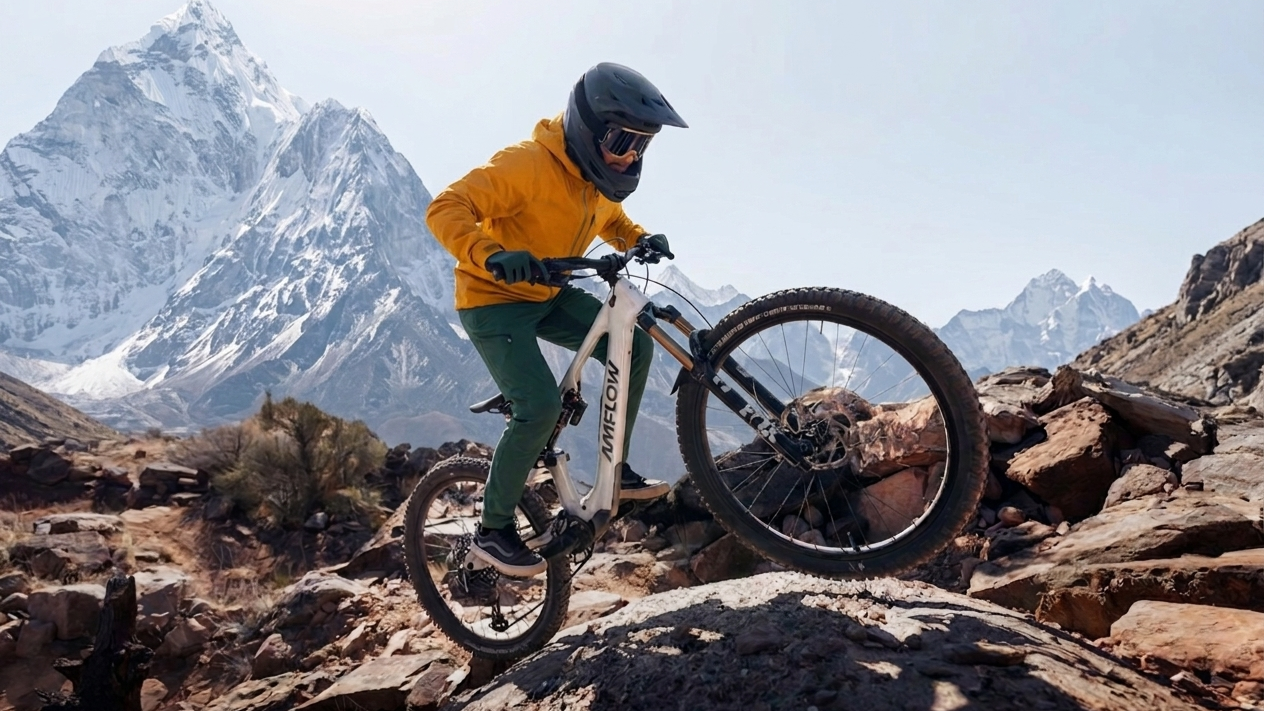
The Arms Race Nobody Asked For
But here's where I want to pump the brakes a little.
The e-MTB motor market has become an arms race. Every generation, the numbers go up. More watts, more newton metres, bigger spec sheets. And every time a new benchmark is set, the conversation resets around chasing the next one. It's the same story we've seen in smartphones, cars, and gaming hardware — raw performance figures as marketing, whether or not they translate to meaningful real-world improvements for the average rider.
The E-Mountainbike Magazine review of the M2S makes a point worth sitting with: even their team of expert testers concluded that for 90% of riders, the sweet spot is actually below 1,000 watts. The M1 — the previous generation — already shifted so many benchmarks that plenty of riders never came close to exploring its limits. Were those riders asking for 50% more on top? Probably not.
There's also a less glamorous side to all this power: consumption. Ride the M2S consistently in Turbo or Boost mode and you can drain an 800Wh battery in around 90 minutes. That's impressive in the sense that you'll cover serious ground in that time — but it's also a preview of what happens when the priority is raw output over real-world usability.
The Thing That Actually Matters: Battery and Range
And this is the part of the conversation I don't think gets enough attention.
No amount of peak watts will fix the frustration of a dead battery mid-ride. I've been there, and so have you — that moment when the assist cuts out, you're still 10km from the car, and suddenly a 25kg bike feels like a punishment. No software update, no torque figure, no clever mode switching will save you at that point. You're just grinding.
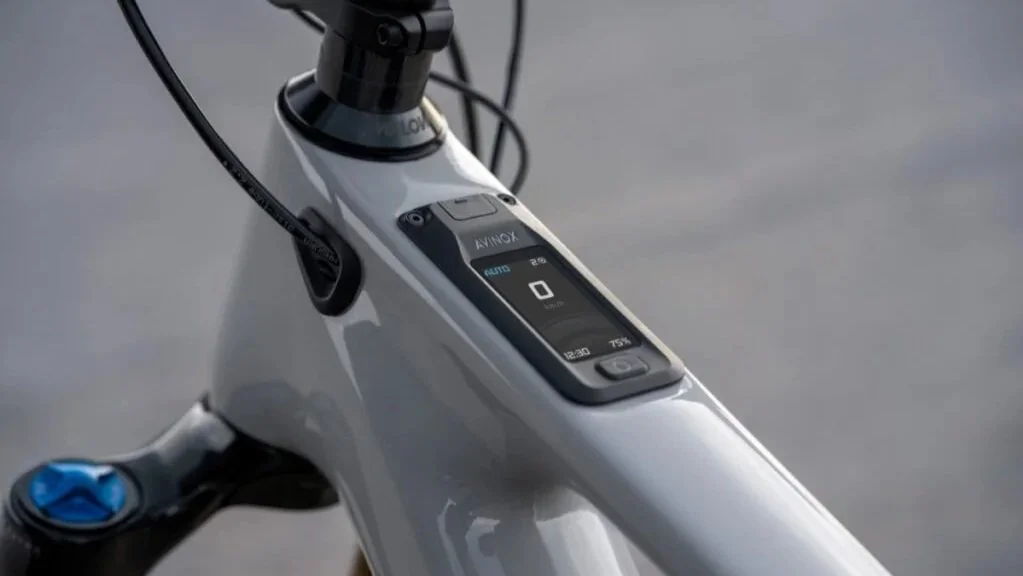
Battery technology, range, charging speed — these are the factors that determine whether your ride actually goes the way you planned. And frustratingly, they're not the things that dominate the headlines. A motor doing 1,500W is a number that photographs well in a press release. "Our new 800Wh battery charges to 80% in 35 minutes" doesn't generate the same Twitter thread energy, even though it arguably matters more to most riders on most rides.
The Avinox system actually does make genuine strides here — the new FP700 battery with its 4680 cells is legitimately impressive, and the 12A fast charger is quick. But the irony is that more power demands more from the battery, not less. The M2S can only sustain its full 1,500W continuously when paired with that specific FP700 battery. Use a different pack and you're capped. The motor creates new dependencies on the battery, rather than reducing them.
Range anxiety is the single biggest barrier to people getting more from their e-bikes. Not power anxiety. Nobody has ever cut a ride short because their motor wasn't exciting enough. But dead batteries? Every week, somewhere, on every trail network in the world.
Innovation Is Good — But Let's Be Honest About What We're Optimising For
I want to be clear: I support what Avinox is doing. I support innovation. A company willing to bring genuinely new hardware — new cell formats, new winding technology, real efficiency gains — to a market that often just shuffles existing components deserves credit. The M2S is a serious piece of engineering, not a marketing stunt.
And more power, done well, does open up new possibilities. Riders with limited mobility, people tackling genuinely extreme terrain, those who want to extend into longer days without sacrificing assist — real power matters to real people.
But the conversation we should be having alongside the wattage wars is this: what would it look like if the brightest minds in the industry put the same energy into doubling range, halving charge times, or making batteries that last ten years instead of four? What if the next generation of motors prioritised getting smaller, lighter, and more efficient — enabling the assist to disappear more naturally into the ride — rather than adding more zeros to the spec sheet?
Because the riders who would benefit most from this technology are not the ones who need 1,500W to clean a rock garden. They're the “Sunday riders” who need to know they'll make it home. The weekend gravel tourers calculating whether they can squeeze in one more valley. The newer riders who want an assist that feels natural, not one that overwhelms them.
Where I Land
More power? Sure, I'll take it. It's impressive, it's fun, and when it's as well-controlled as the Avinox M2S appears to be, it's genuinely transformative on super-technical terrain.
But if I'm being straight with you: give me the bike that goes further before I need to stop. Give me the battery that I can top up in 30 minutes at a café with an USB-C. Give me range I can trust, in any weather, on any terrain, without doing maths in my head on the descent.
Peak watts will never replace the frustration of watching your assist die. And until range is truly solved, every extra watt is just spending down the battery faster.
The best e-bike isn't the most powerful one. It's the one that's still running when you get home.
See you on the trail!
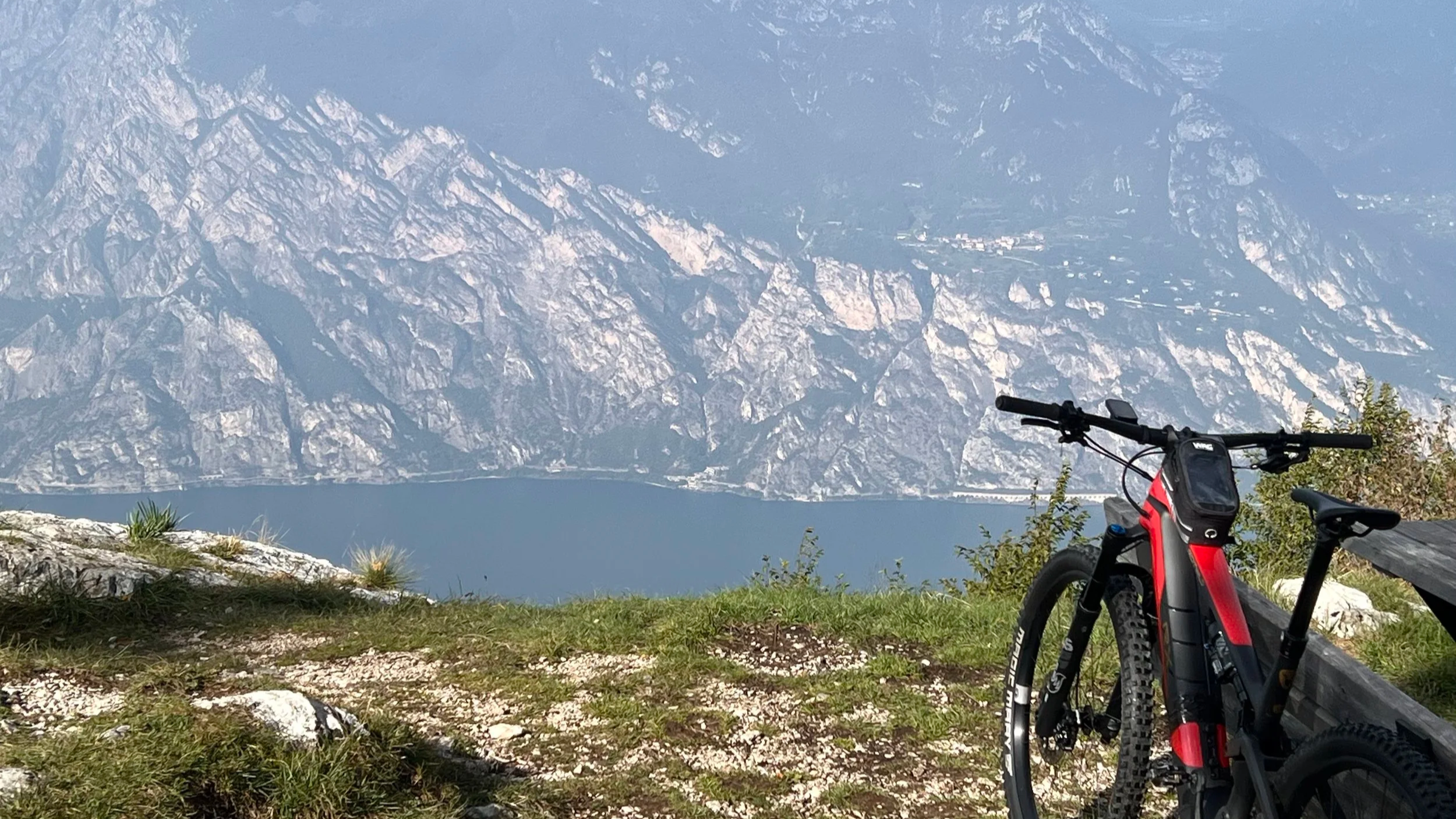
Taking Neverempty to Trento (IT) for Some Real Life Action
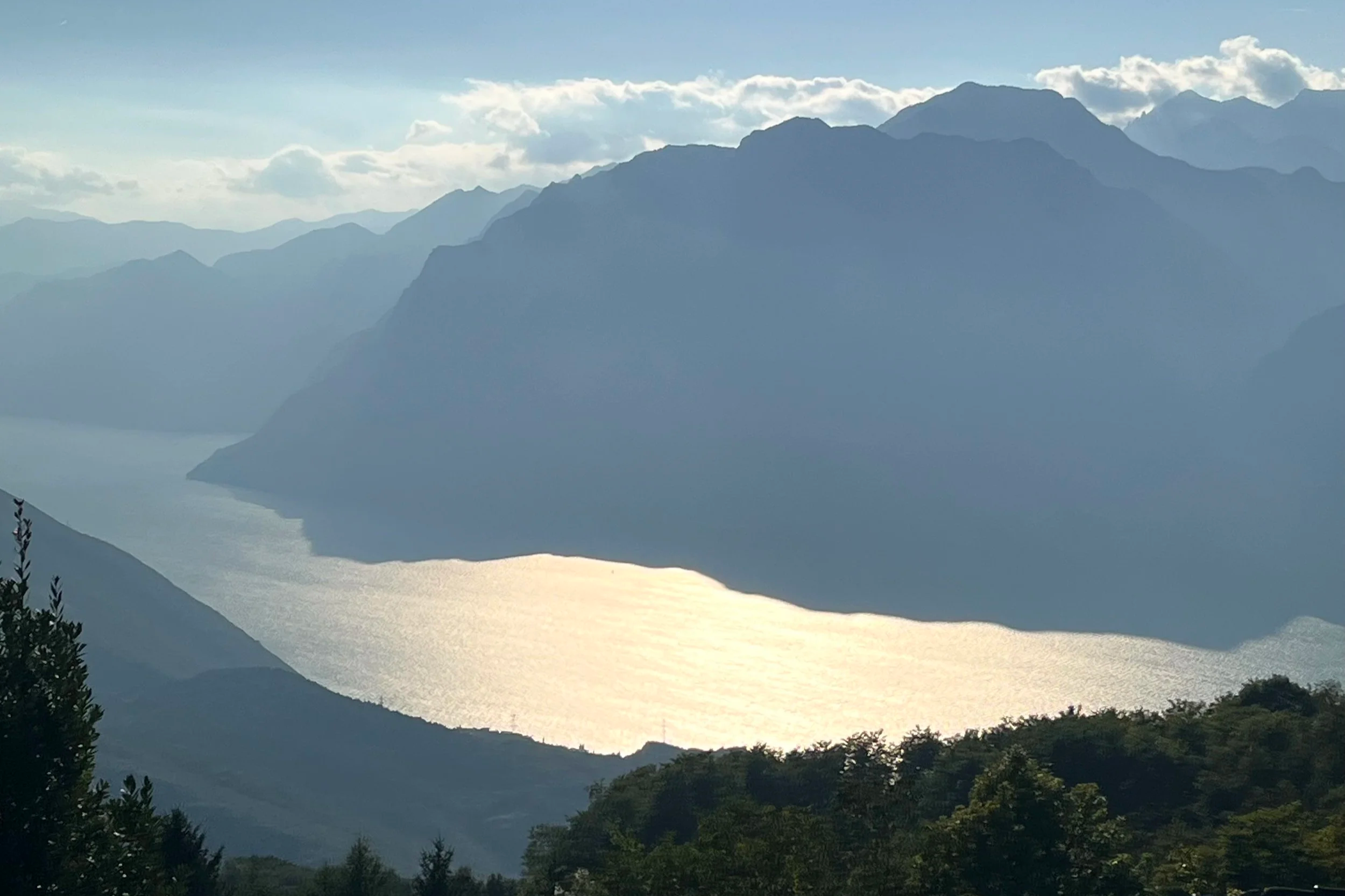
For any e-MTB rider, there’s a persistent, nagging question that haunts every long ride: "Will I make it back on a single charge?"
We’ve all been there: nervously checking the battery percentage on a long climb, dialling the assist down to "Eco" when you know you still have miles to go, and maybe even feeling that terrifying, soul-crushing moment when the battery finally dies, leaving you to push a 25kg bike up a mountain road.
That constant anxiety isn't part of the fun. It takes your focus off the breathtaking views, the flow of the trail, and the pure joy of the ride.
This is the problem we set out to solve with Neverempty, the smart route-based battery management app for e-MTBs. But an app built behind a desk can only be truly validated one way: in the wild.
So, two weeks ago, I packed my gear, the MVP of the Neverempty app, and headed straight for the heart of European (e)mountain biking: Lake Garda, Italy.
The goal was simple but daunting: confirm the idea, validate the math, and see if Neverempty could truly kill range anxiety on the challenging terrain.
From Theory to Trail: Why we chose Torbole, Lake Garda
Building an app in our native Estonia, where "climb" means a 100m long slight incline, gives you an idea of our limitations. We needed real mountains, real ascents, and real routes that would push a battery to its limit. Torbole, with the towering peaks of Monte Baldo and the sheer drops overlooking Lake Garda, was the perfect proving ground. The north shore of Lake Garda is a hugely popular destination for e-bikers of all kind, so if it works there, it should work anywhere.
The rides we tested were no joke. Over four days, I tackled:
The Monte Velo Trail
The Bocca Fortini Tour
The Challenging Monte Baldo Tour (Twice!)
Each ride averaged between 1300 and 1500 meters of elevation gain, winding through challenging gravel roads, technical singletrack, and stunning woodlands. The autumn air was crisp (around 10−15∘C), and the views were non-stop.
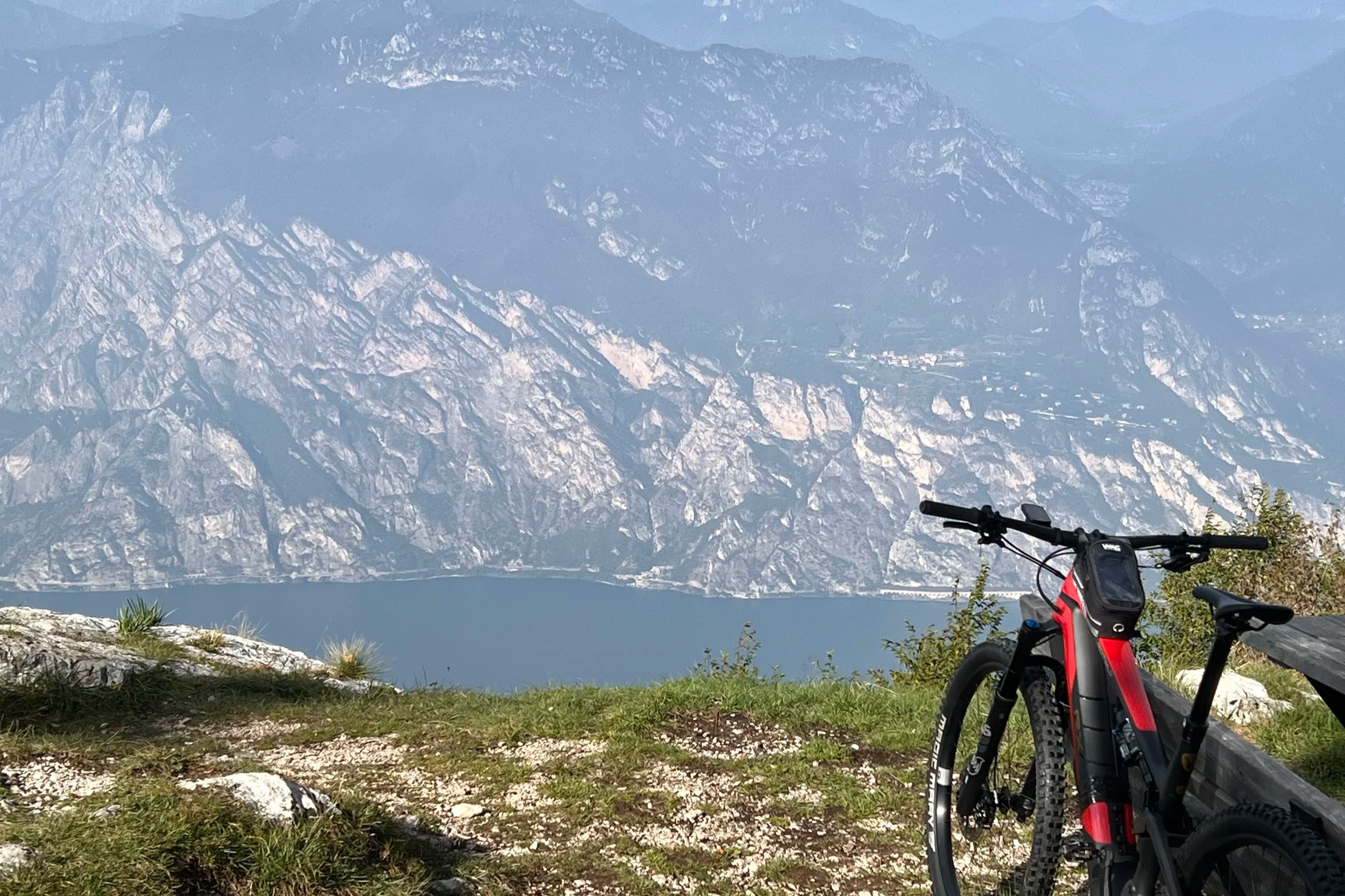
For every single route, the process was the same:
Upload the GPX file of the planned route into the Neverempty app.
Allow the app to calculate the required energy based on the distance, elevation profile, and my initial battery level plus all the riders info.
Connect the app to the e-bike’s control module via Bluetooth.
Hit the trail and let Neverempty take the wheel (or rather, the assist).
The MVP’s Moment of Truth: Automatic Assist
The core feature we went to Italy to test was the automatic assist adjustment.
Before Neverempty, every rider is forced to manually calculate when to use "Eco," "Trail," or "Boost." It’s a constant, distracting mental balancing act especially if you know you’re going to consume a lot of battery.
With the MVP connected, I set my desired battery safety margin, and the app began automatically adjusting the assist level in the more granular 1–7 level mode (my rental bike was equipped with Shimano EP801 and a 720Wh battery).
The Unexpected Revelation
I had tried the app briefly back home, but the difference on a real mountain was night and day. What surprised me the most was how smooth and intuitive the automatic assist felt.
The app did all the thinking—analyzing the current gradient, anticipating the upcoming climb, and instantly dialing in the optimal level of power needed to keep me on pace while ensuring the battery lasted exactly as long as the route demanded.
I could just enjoy the ride (and the views).
On the first Monte Baldo run, I finished with an empty battery (died about 10km too early). On the second run, I adjusted the app's internal settings to be slightly more conservative and at the same time pore precise regarding the start’s and end’s of the climbs. The result? The ride felt even smoother, the power delivery was more subtle, and the battery life extended further, meaning I finished the same route with some % left int the battery. I stopped worrying about running out of battery and started focusing entirely on the ride, the trail, and the breathtaking views. The app moved the entire mental load from my brain to its processor.
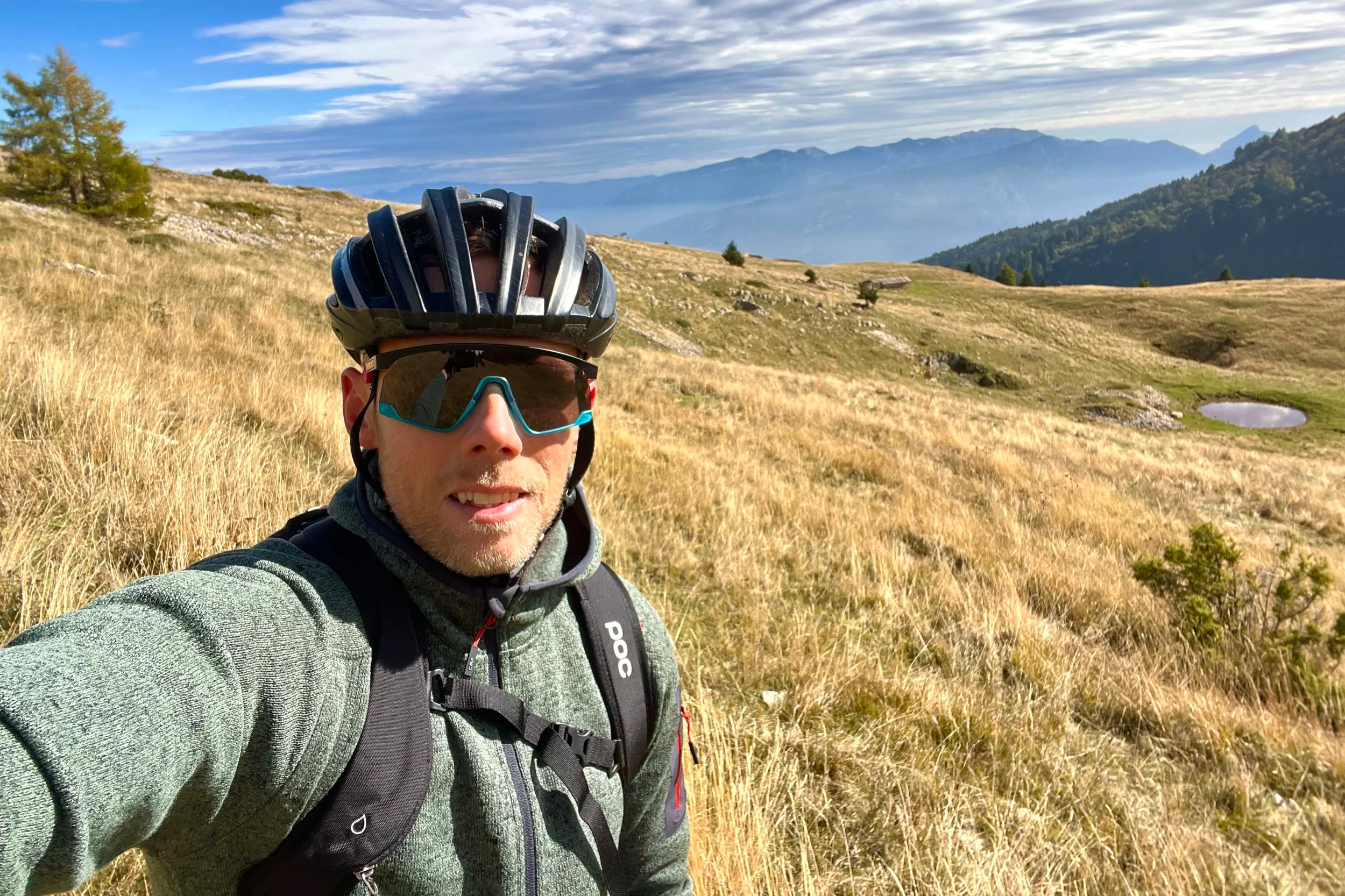
What We Learned: The Good, The Bad, and The Beta
Testing an MVP isn't about everything working perfectly; it's about finding out where it breaks and why.
The Successes:
Seamless Connectivity: The initial setup and connection to a new bike via the Comodule module worked perfectly "out of the box." To be clear: our current MVP is only working with a e-bike equipped with the latest Shimano motors (EP8 and EP6) with and addition of Comodule module.
Minimal Phone Drain: We were worried about the phone battery. After 4 hours of riding and recording, my iPhone battery only dropped about 35%. This is great news for riders concerned about their phone dying mid-ride (and before the bikes battery). Can confirm that there is no scenario where your bike’s battery will outlast your phones.
The Core Concept is Valid: The experience of simply riding, knowing the power is being managed automatically, is a game-changer, especially on longer rides in “unfamiliar” places. It eliminates range anxiety and allows for a much more focused, joyful experience.
The Mandatory Improvements (Where We Ran Empty):
Testing is about pushing the limits, and we found them. I did run out of battery a couple of times, which confirmed two critical areas for development:
More Conservative Calculations: The math needs refining. We need to add more conservative buffers to our consumption algorithms to account for unforeseen variables and ensure the rider never truly runs out.
The "Power Saver" Panic Mode: We must build a dedicated "Battery Saver" or "Low Power" mode. This mode will kick in when the battery level gets critically low, automatically reducing the max assist ceiling to the bare minimum required to limp home, prioritizing distance over speed.
The Key Technical Dilemma: Power vs. Time
The trip also surfaced a major technical question we need to solve before the BETA launch:
What drains the battery more: a weak rider going slow with low power for a long time, or a strong rider going fast with high power for a short time?
This sounds simple, but solving this riddle is key to making Neverempty's predictions accurate. We need to figure out if providing high power for a shorter duration consumes more or less energy than providing low power for a longer duration. This will dictate how aggressively or conservatively the app manages power on various gradient profiles. for various level of riders.
Are You Ready to Never Run Empty?
The trip to Lake Garda was a success. It validated the core idea of automated, route-based battery management and gave us a crystal-clear roadmap for the final stretch of the development. We know exactly what to build next to move from a working MVP to a market-ready app.
Now, we need you.
We are actively preparing for our BETA program, which we hope to launch by the end of the year. We are looking for riders like you—e-MTB enthusiasts who tackle a variety of routes, bikes, and challenges—to help us confirm how the app works for different riders on different routes. Your feedback will be essential in perfecting those battery consumption calculations.
NB! You need to have an e-bike with the latest generation of Shimano systems: EP8 or EP6.
If you’re ready to stop worrying about range anxiety and start focusing on the ride, we invite you to be one of the first to experience the future of e-MTB riding. Go sing up on https://www.neverempty.app/ or drop us an e-mail at info@neverempty.app
Ride safe!

Power vs Battery
Electric mountain bikes (eMTBs) are often marketed on headline numbers: “XXX Nm torque”, “Peak power: YYY W”, “Unleash your climb”. And yes—those are attention-grabbers. But how often do they really matter in your everyday rides? More importantly: at what cost (weight, battery drain, price, etc.)? What riders actually want (and need) — battery capacity, power delivery and efficiency beat raw torque more often than not.
What Actual Riders Say
From E-MOUNTAINBIKE’s 2024 eMTB Reader Survey and 2025 Trend Poll (https://ebike-mtb.com/en/2024-emtb-reader-survey-and-trends-2025/), when asked what they want most from a motor, riders ranked “natural ride feel, efficiency, and low noise higher than “maximum torque” or “maximum power”. In usage, the most used support modes are the mid-to-moderate support settings - Trail/eMTB or Tour. Only ~5–7 % of riders make “Boost” or full-power their go-to mode. Regarding battery capacity about 60 % are riding bikes with 600-800 Wh capacity. And about 40% are using close to 75-100% of the batterys capacity on a averaga ride.
Why Max Power / Max Torque Is Over-Emphasized
Diminishing returns
After a certain point, more torque or power gives you less marginal benefit. If your bike already has enough torque to climb the steeper trails you ride, more torque won’t make climbs much easier—but it will cost in terms of weight, cost, battery drain, and possibly ride feel (harsh power hits, wheel spin, etc.).Real-world usage is moderate
As data shows, riders mostly use mid-range support modes. They rarely run full-power all the time. That means the motor’s behaviour in those moderate modes (how smooth it is, how well it delivers torque vs. how it wastes energy) matters much more than its peak specs.Weight & design trade-offs
To handle higher torques (and power), bikes often need stronger (thus heavier) components, reinforced frames, heavier motors or cooling, stronger drivetrains. That extra mass works against climbing and draining the battery more quickly.Battery drains fast in high power modes
High torque/power implies high current draw, which in turn drains battery much faster (especially in steep climbs, technical terrain). The same battery will give you much less range if you ride aggressively in full power vs. more moderate, efficient modes.
Why Bigger / Better Battery Matters More
Range & flexibility
A larger battery (or more usable battery capacity) gives you more flexibility—longer rides, more vertical gain before needing to recharge. Most riders want to finish the ride, not worry about running out of battery.Efficiency is king
If your motor delivers smooth torque, good power curves, efficient electronics, and you ride in support modes intelligently, you get more usable range for the same battery size. Better torque management, smoother power delivery, lower losses from friction, heat, etc., allow you to “stretch” your battery farther than simply having more peak torque which might go unused.Real-world constraints
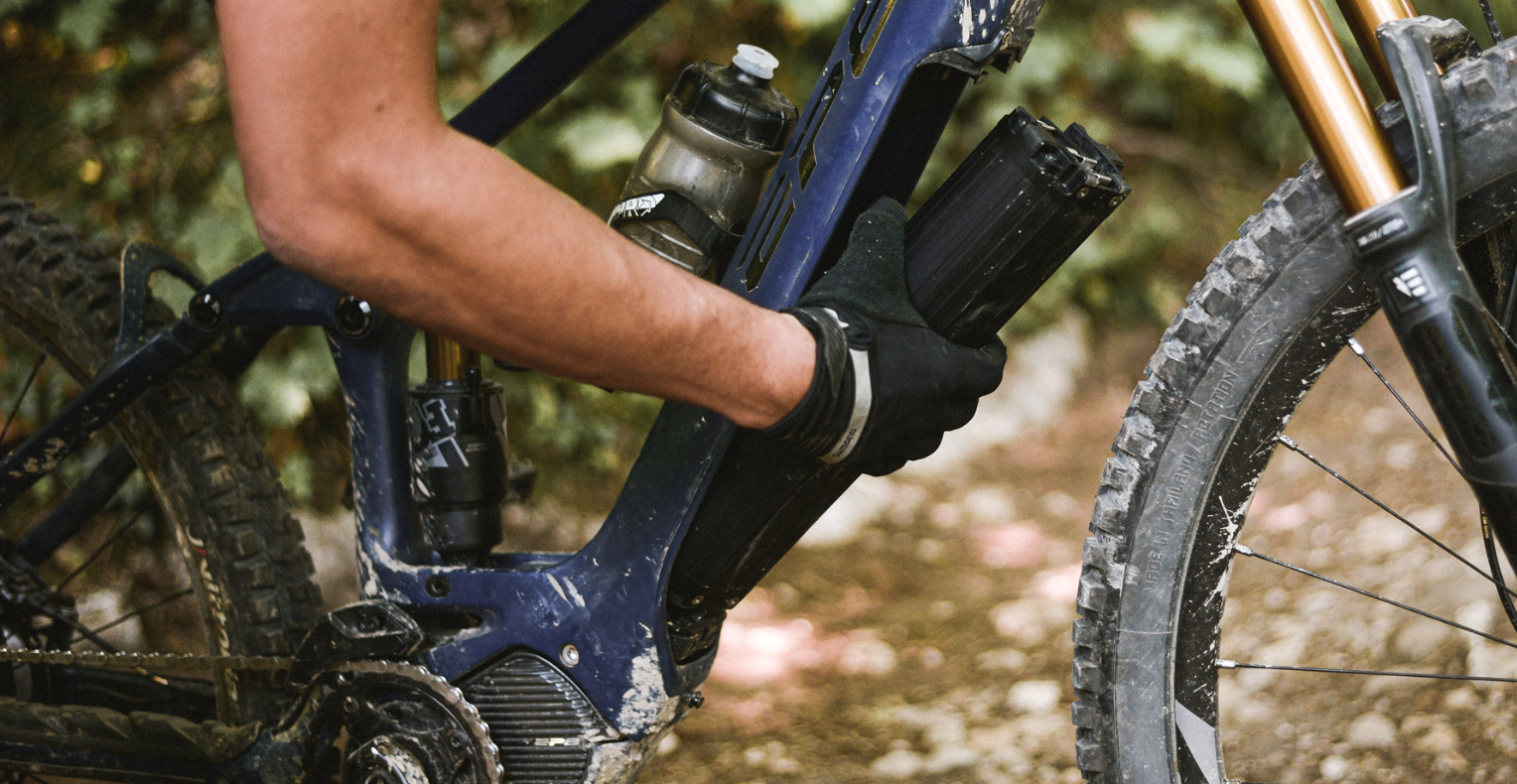
Weight of battery, charging time, battery durability, pack configuration (integrated vs removable) matter. A big battery that’s badly integrated or weighed down by a heavy motor ends up hurting more. Conversely, a reasonably sized battery with good real-world range and smart assistance modes yields better everyday satisfaction.Desire for features like range extenders / fast-charge
Usually riders prefer options like range extenders (for when battery gets low) and fast charging rather than simply more Nm. It’s about staying on the trail longer or reducing “ankle-biting” battery anxiety.
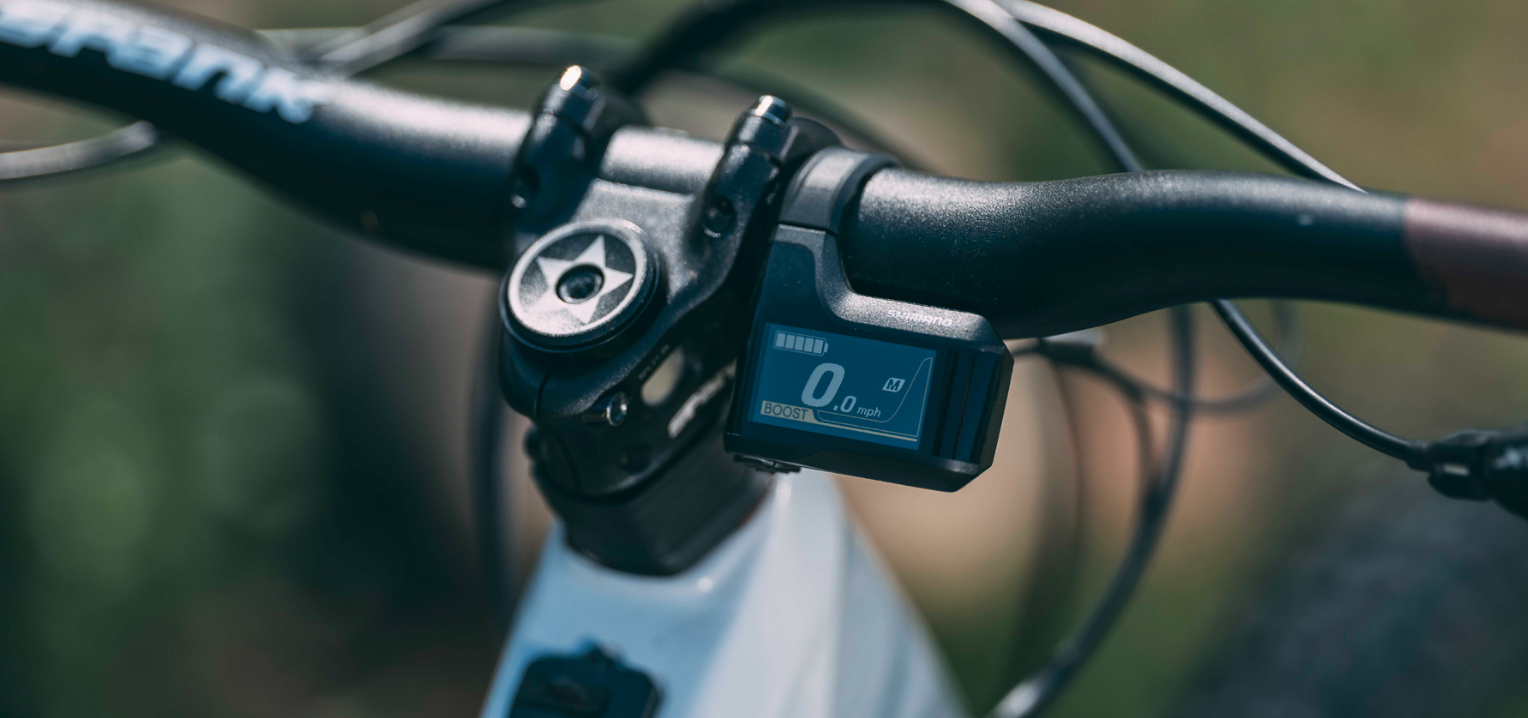
Why Most Riders Don’t Need More Torque but Better Control of Existing Torque
Most trails and terrains people ride on don’t require “monster torque”. Moderately steep grades, mixed terrain, singletrack—none of these typically demand the maximum torque numbers shown on spec sheets (unless you’re racing, doing shuttle laps, or hauling heavy loads).
What does matter is how the torque is delivered: is it smooth, controllable, predictable? Does the motor’s control system allow gradual build-up, or is it jerky when you open the throttle or switch support modes? Ease of modulation makes a big difference for traction, confidence, and efficiency.
Rider weight, tire grip, suspension setup, and overall bike weight often make as much or more difference than raw torque. If you have a 25-kg eMTB and a huge battery but poor setup or heavy wheels/tires, you might actually suffer more inefficiencies than someone on a lighter bike with moderate torque but a well-matched battery.
Psychological effect: knowing you have reliable performance (range, consistent assistance, low battery drain) builds confidence. Chasing Nm might give bragging rights, but if your battery dies halfway up a climb or you have to avoid steep terrain because of battery limitations, that’s far worse than having “just enough” torque.
What Most Riders Prefer: Range Over More Nm
Riders overwhelmingly value being able to ride longer and further without worrying about charging or running out of battery.
Many would rather accept “only” 80-90 Nm (or whatever is adequate for their terrain) in exchange for more usable watt-hours, lighter weight, better support modes, and more predictable performance.
Range extenders, fast charging, incremental improvements in motor efficiency get more votes (real, actionable utility) than incremental gains in max torque.
Conclusion
Power (torque / peak wattage) sells well. It looks great on a spec sheet. It gets headlines. But for the average rider, more important is how you use what power you already have, how efficiently it is delivered, and whether your battery supports your riding habits.
If you're choosing between two bikes and one has slightly more max Nm but much worse battery or heavier weight, chances are the latter will underperform for your needs.
If you can get a motor that delivers good mid-range torque, smooth delivery, moderate weight, and pair it with a well-sized battery (say ~600-800 Wh), you'll get more satisfaction and fewer trade-offs.
At the end of the day, most riders would rather have more range, better control, quieter operation, and more reliability than raw torque. Because if your battery dies high up, or you have to constantly charge, or the ride feels jerky—you won’t care what the power spec said on day one. And don’t forget the 25km/h compulsory speed limit:)