The Robots Are Taking Over (Your Gears)
Five years ago, if you mentioned "automatic transmission" to a serious mountain biker, you would have been laughed off the trailhead. We curate our cockpits, obsess over engagement points, and pride ourselves on the perfect timing of a downshift just before a technical punch. The idea of handing that control over to an algorithm felt sickeningly counter-intuitive. It felt like a feature designed solely for people who didn't know how to ride a bike.
But the e-MTB landscape is shifting rapidly. We’ve moved past the "arms race" of bigger batteries and more Newton-meters. The new frontier is integration and intelligence. The industry's biggest players aren't just trying to help beginners get up a hill; they are trying to fundamentally change how seasoned riders interact with technical terrain.
The rise of automated shifting ecosystems—specifically from Shimano and SRAM—is the most controversial, and perhaps most significant, development in current e-MTB tech. And if you think it’s just for newbies, you’re missing the point.
Here is a deep dive into the brave new world of smart shifting.
The Two Philosophies: Shimano vs. SRAM
We aren't talking about the clunky, cadence-based auto-shifting offered on budget commuter bikes a decade ago. Today's systems are deeply integrated into the e-bike’s central nervous system, using data from speed sensors, crank torque, cadence, and rider input to make millisecond decisions.
Right now, there are two major camps driving this tech, and they approach the problem differently.
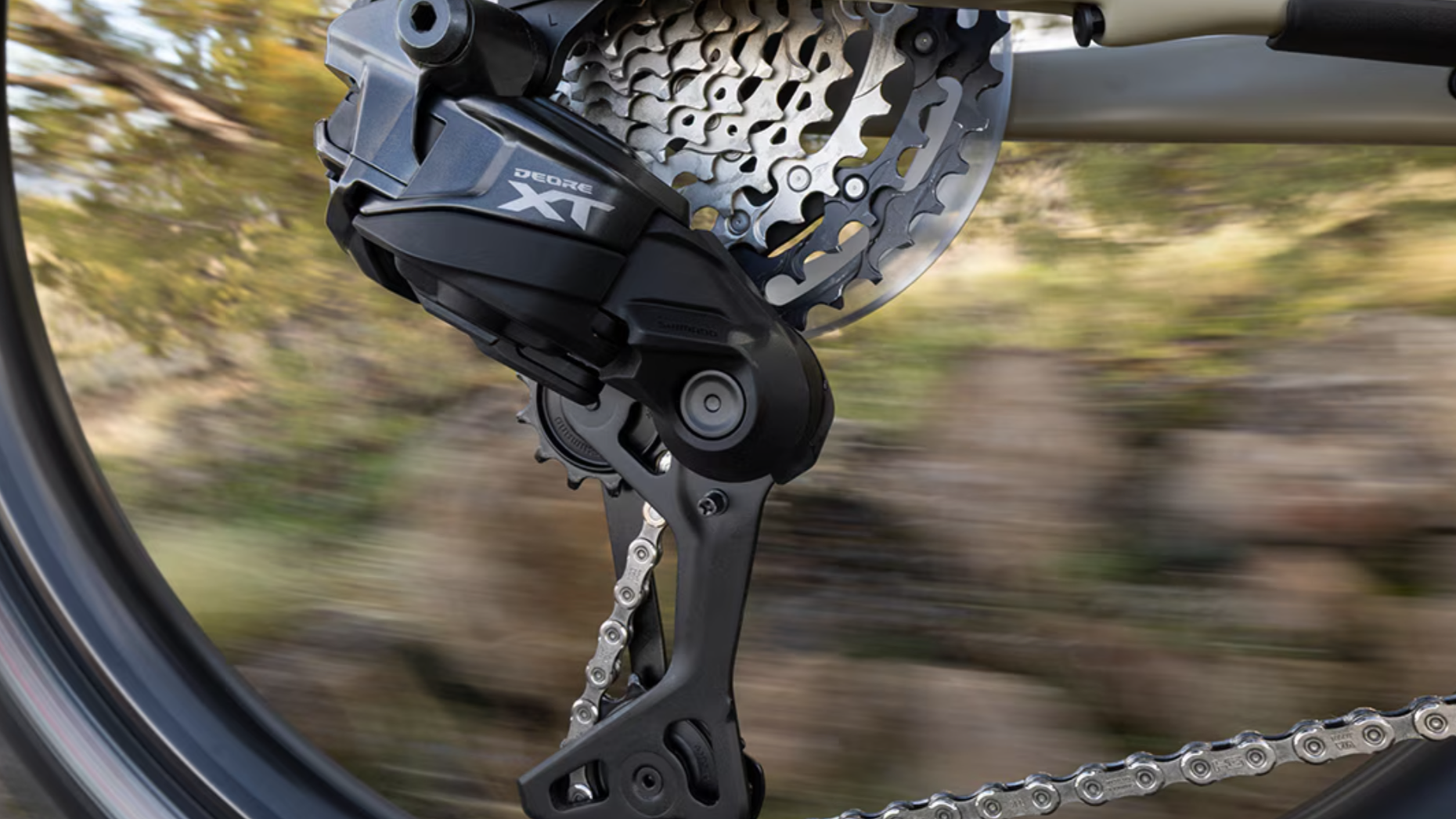
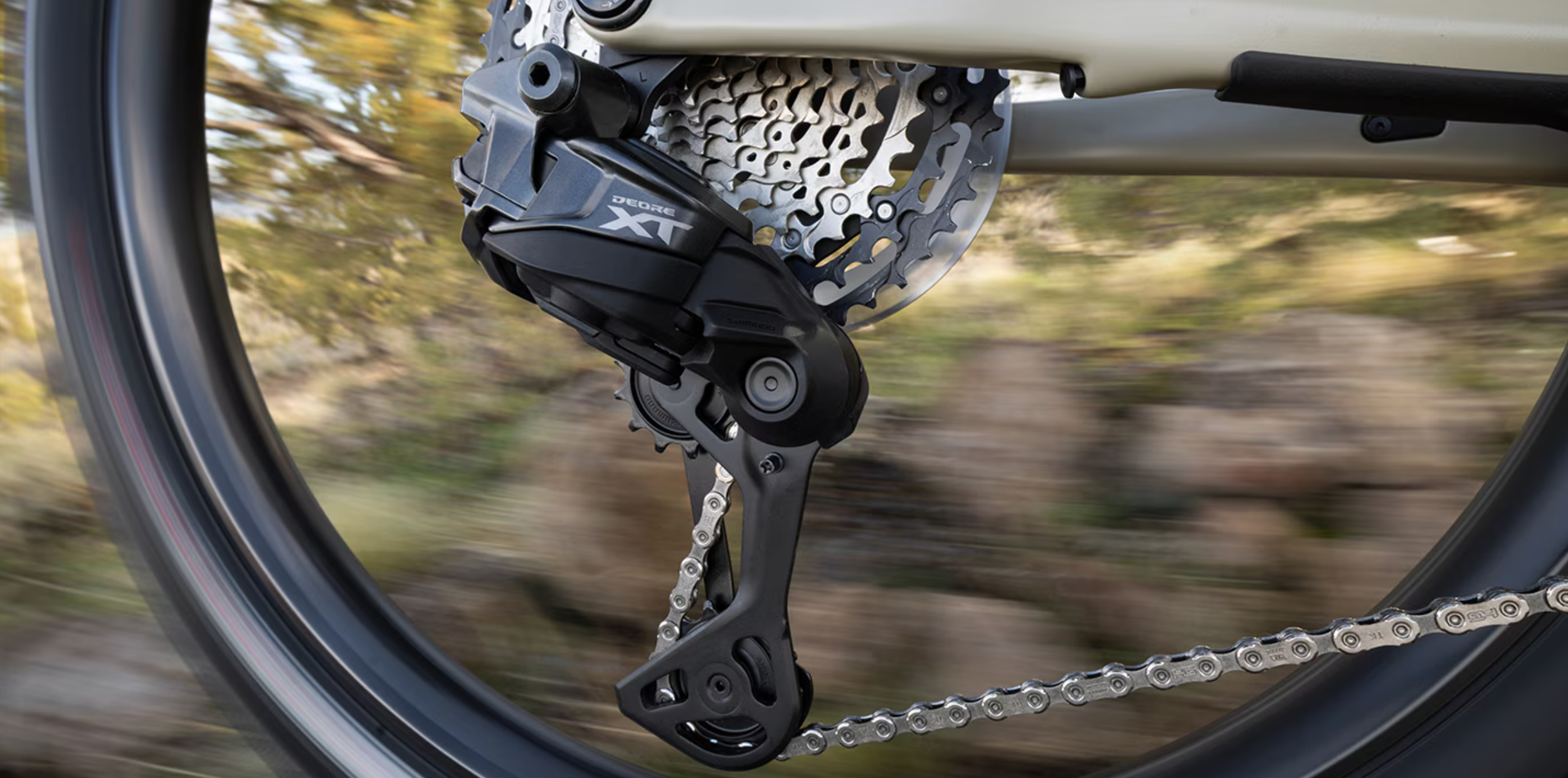
Shimano’s Auto Shift & Free Shift Shimano, paired with their EP801 and EP6 motors, uses their Di2 integration to offer a highly customizable experience. Their system is heavily dependent on speed and cadence thresholds that you can tweak in their app. It’s proactive. If you are coasting downhill and picking up speed, it knows you will need a harder gear when you start pedaling again and makes the shift for you.
SRAM’s Powertrain Ecosystem SRAM’s approach (currently utilizing the Brose motor hardware but their own software brains) is built around their "Transmission" (T-Type) drivetrains. Because T-Type is designed specifically to shift under massive load without crunching, SRAM’s algorithm can be incredibly aggressive. It relies heavily on rider power input and terrain sensing. It tries to keep you in an ideal cadence "window."
Both systems share a goal: removing cognitive load from the rider so you can focus entirely on line choice and body position.
The True Game Changer: Shifting Without Pedaling
If you are an experienced rider, "Auto Shift" (fully computerized gear selection) might still sound appalling for techy trails. The fear of an unexpected upshift mid-crank on a rooty step-up is a valid one.
However, the real revolution isn't necessarily automatic shifting; it’s the ability to shift without moving the cranks.
Shimano calls it "Free Shift." SRAM calls theirs "Coast Shift." It is the single biggest advantage these new smart systems offer to high-level riders.
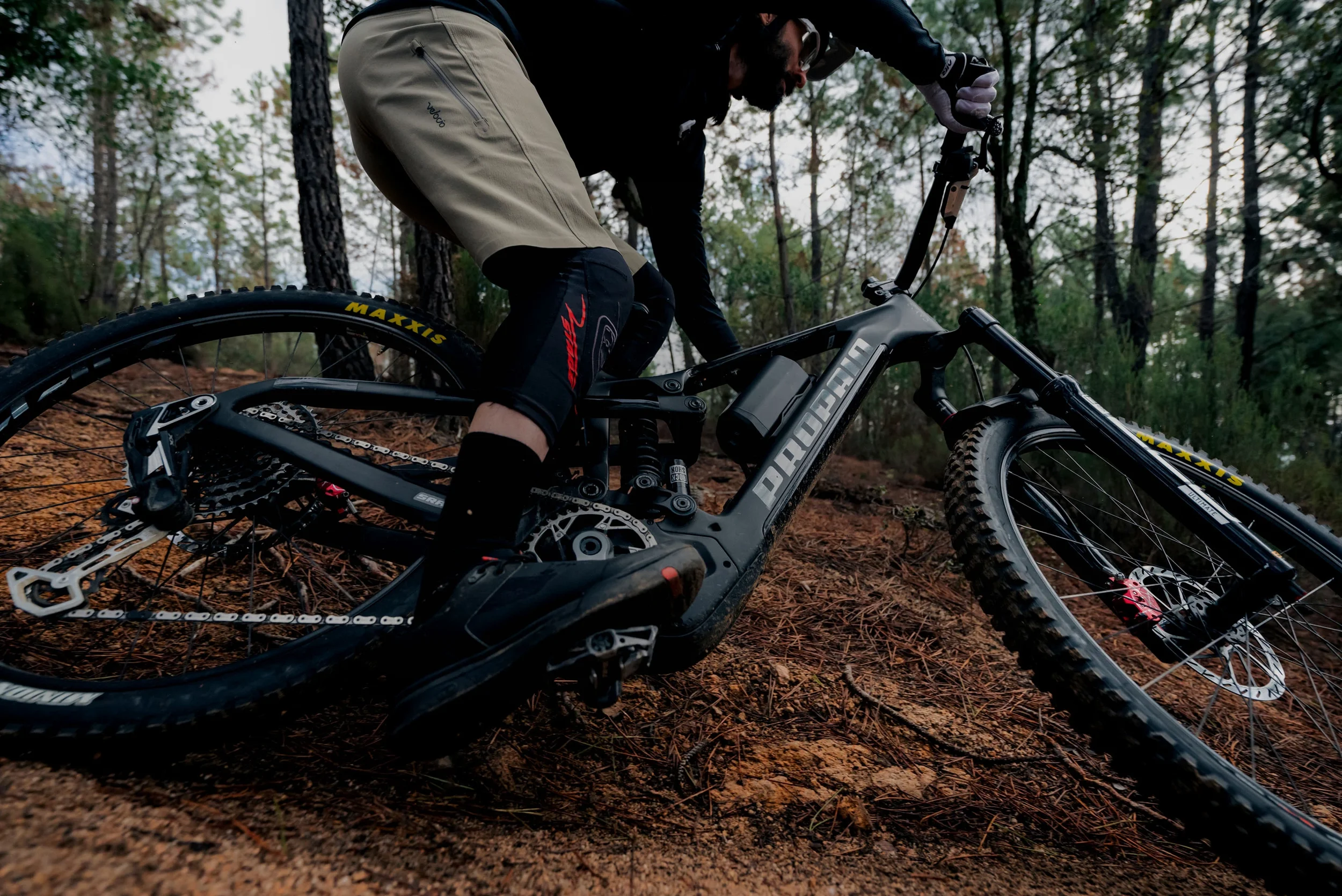
Consider this scenario: You are bombing down a fast fire road in your hardest gear (a 10-tooth cog). Suddenly, the trail dives 90 degrees left into a steep, punchy, rocky uphill chute.
On a traditional setup, you have to brake hard, lean the bike over, and somehow furiously pedal a half-rotation while simultaneously dumping five gears before you hit the ascent. You usually end up crunching the chain, stalling out, or smashing a pedal on a rock because you had to turn the cranks in a tight space.
With Free Shift/Coast Shift, you hit the brakes for the corner, tap your shifter five times while coasting, and the motor gently rotates the chainring just enough to move the derailleur up the cassette. When you stomp on the pedals to attack the climb, you are already in the perfect gear.
This isn't "dumbing down" the ride; it’s a performance enhancement that allows you to clean sections that were previously awkward or impossible.
The Synergy of Durability and Intelligence
Why is this happening now? Because finally, drivetrain durability has caught up to motor torque.
The elephant in the room with early e-MTBs was chewed-up cassettes and snapped chains. You couldn't trust a computer to shift for you because if it shifted at peak torque (85Nm+), something was going to break.
The introduction of Shimano’s Linkglide and, more significantly, SRAM’s T-Type Transmission, solved this. T-Type actually prefers to shift under load due to the cassette mapping and stout, hangerless derailleur interface. This durability is the foundation that allows automation to exist. The computer no longer has to fear breaking the bike. It can execute a shift exactly when the algorithm demands it, regardless of how hard you are mashing the pedals.
The Verdict for the Enthusiast
Are these systems perfect? No.
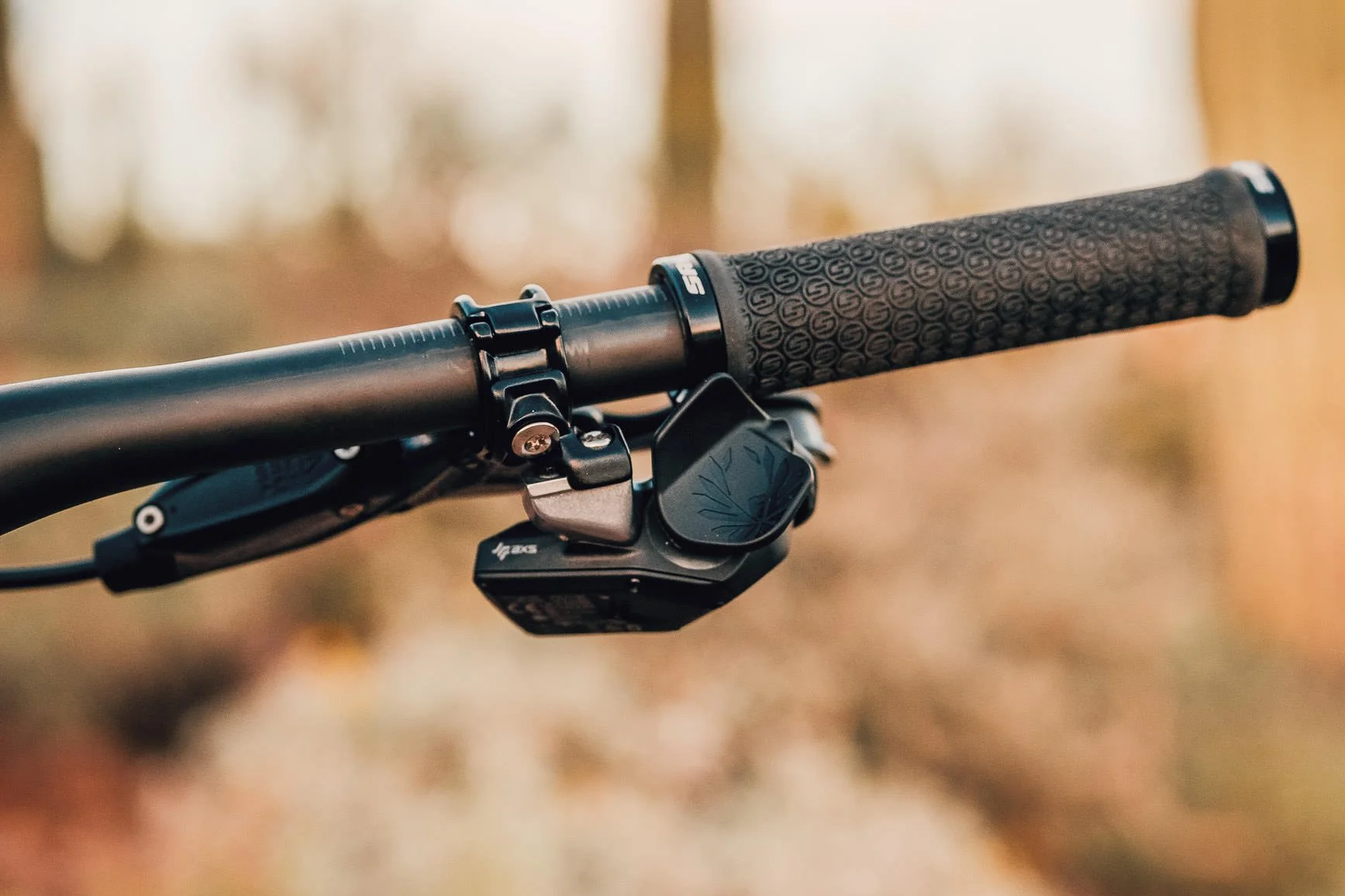
For pure, unpredictable technical climbing, many experienced riders will still prefer to turn the full "Auto" mode off, relying instead on their own anticipation. The beauty of these modern systems is that manual override is instant; tap the shifter, and the computer backs off immediately.
But we are rapidly approaching a point where the algorithm is faster and smarter than we are.
It’s okay to be skeptical of giving up control. But don't dismiss it as a beginner’s crutch. The fusion of motor and derailleur into a single, intelligent unit is opening up a new way to flow through terrain. When you stop thinking about gears, you start thinking vastly more about the trail ahead. And isn't that why we ride?